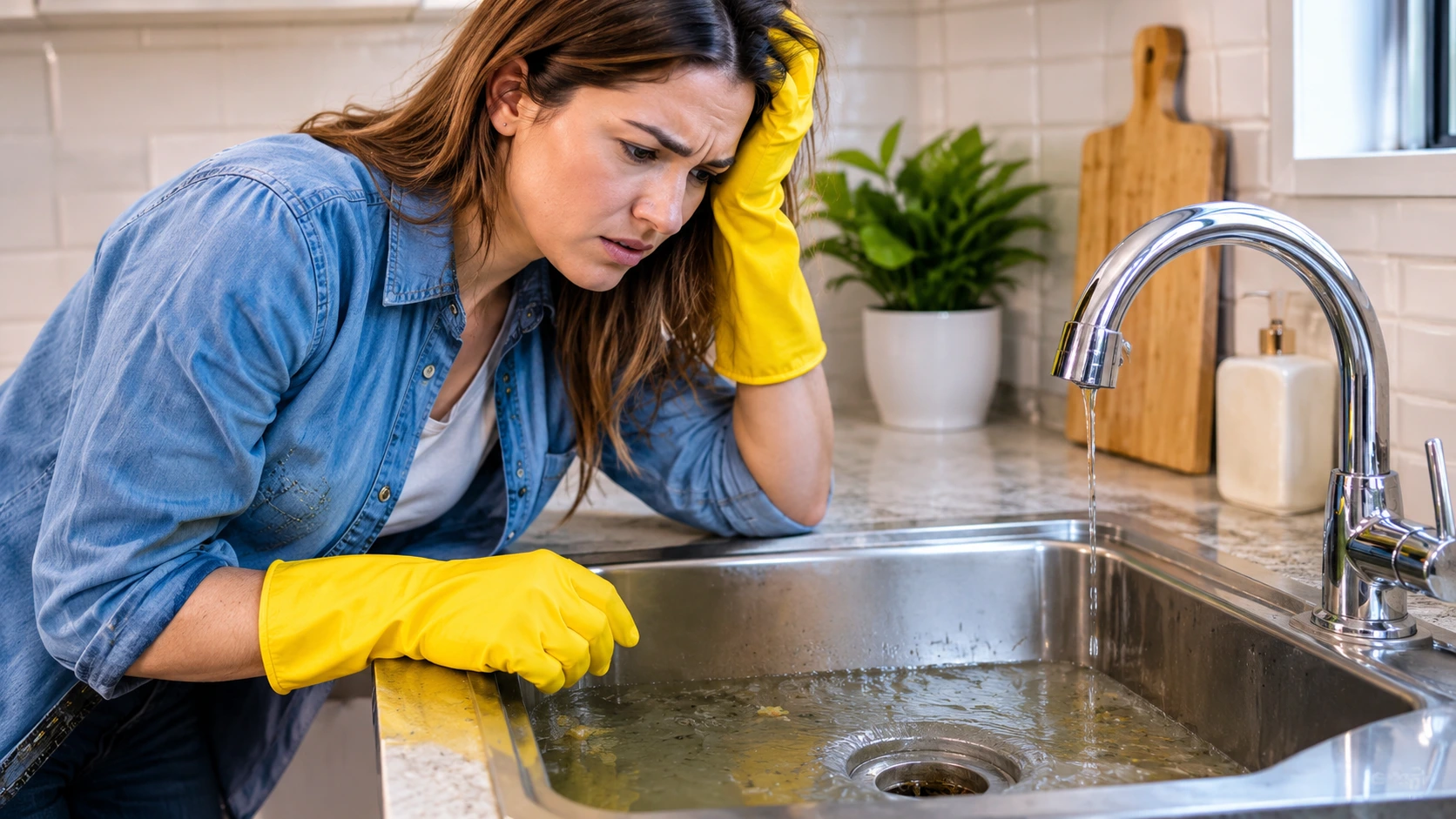
A clogged drain is not always a plumbing emergency, but some blockages need immediate attention. A slow kitchen sink may only need cleaning. However, sewage backing up, overflowing toilets, or several blocked drains can signal a serious problem. Ignoring these warning signs can lead to water damage, health risks, and costly repairs. Knowing the difference helps you take the right action.
So, Is a Clogged Drain an Emergency? Yes, when it causes sewage backups, flooding, or affects several drains at once. Recognizing these signs early helps protect your home and prevents further damage.
What Makes a Clogged Drain a Plumbing Emergency?
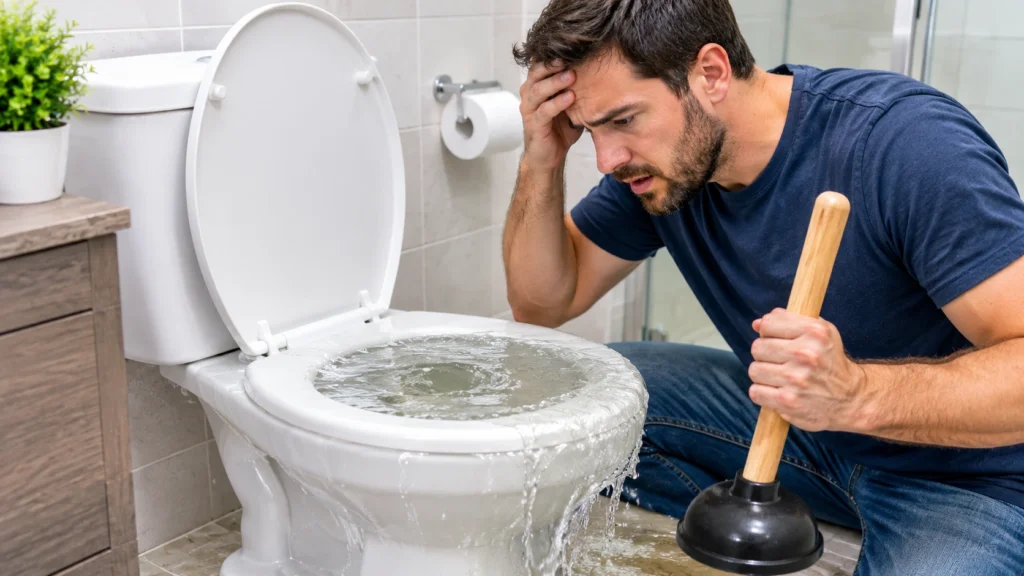
A clogged drain becomes an emergency when it stops wastewater from leaving your home safely. The problem is more serious when dirty water flows back through sinks, toilets, showers, or floor drains. A blockage in one sink may affect only that fixture. However, several blocked drains can point to a problem in the main sewer line. This pipe carries wastewater away from your home.
Sewage backups also create health risks. Wastewater may contain harmful germs and other contaminants. Contact with it can make people sick and damage floors, walls, and personal items. A severe blockage needs quick attention when it causes flooding, sewage exposure, or uncontrolled water flow. These situations require professional help rather than repeated home cleaning attempts.
7 Warning Signs That a Clogged Drain Is an Emergency
1. Sewage Is Coming Back Through Your Drains
Sewage coming through a toilet, shower, or floor drain is a serious warning sign. It often points to a blocked main sewer line or another major drainage issue. Stop using water in your home when this happens.
Avoid touching the wastewater and keep children and pets away. Contact an emergency plumber to inspect the blockage.
2. Multiple Drains Are Clogged at the Same Time
One blocked sink may have a simple cause. However, several slow or blocked drains often suggest a deeper problem. For example, your toilet may bubble when you shower. The kitchen sink may also drain slowly.
These signs can indicate a blockage in a shared drain or main sewer line. Do not keep running water to test the drains. A plumber should inspect the system before wastewater backs up.
3. Water Is Overflowing From a Toilet or Drain
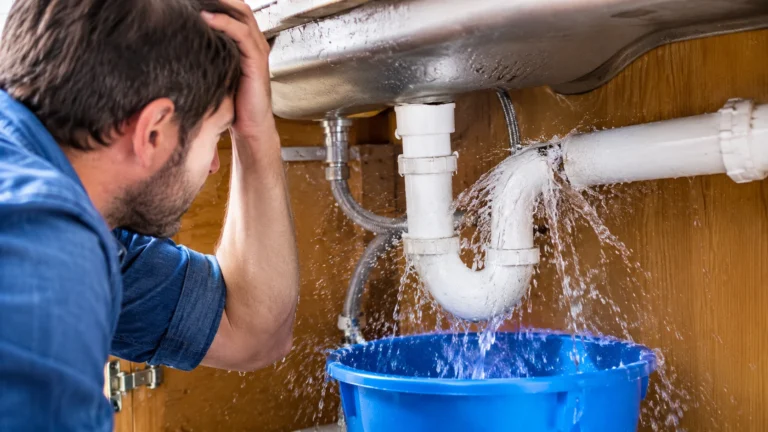
An overflowing toilet can spread dirty water across your bathroom floor. A blocked floor drain may also allow wastewater to enter your home. Stop using the affected fixture immediately. If a toilet is overflowing, turn off its supply valve if you can reach it safely.
Keep electrical items away from standing water. Call a plumber if the water continues rising or the blockage does not clear.
4. You Notice Strong Sewage Odors
A strong sewage smell near a drain should never be ignored. It may point to a blocked sewer line, damaged pipe, or another drainage problem. Sometimes, a dry drain trap allows sewer gas to enter a room.
However, a smell that continues or appears with slow drains needs professional attention. If the odor is strong, leave the affected area and seek help. Avoid using flames near a suspected gas buildup.
5. Your Toilet Gurgles When Using Other Fixtures
Gurgling sounds often happen when air cannot move properly through drain pipes. A blockage may trap air and force it through nearby fixtures. For example, your toilet may bubble when you empty a bathtub.
This can indicate a drainage or venting problem. If gurgling happens with slow drains or sewage smells, arrange a plumbing inspection quickly.
6. Water Is Draining Very Slowly Throughout Your Home
A single slow drain usually points to a local blockage. Several slow drains can suggest a deeper issue in the drainage system. Watch for changes when using sinks, showers, and toilets.
If water drains slowly throughout the house, stop using affected fixtures. A plumber can check the drain lines and find where the blockage is located.
7. You Notice Water Leaks or Signs of Water Damage
A serious drain blockage can cause water to escape through weak pipe joints or damaged sections. Look for damp walls, ceiling stains, wet floors, and peeling paint. These signs may point to a hidden plumbing leak.
Continued moisture can damage building materials and encourage mold growth. Arrange an inspection quickly to find the source and prevent further damage.
What Causes Serious Drain Blockages?
Several things can collect inside pipes and stop wastewater from flowing properly.
- Grease and cooking oil: These materials stick to pipe walls and collect other waste.
- Hair and soap residue: These often build up in bathroom drains and showers.
- Wipes and foreign objects: Items that do not break down can block toilets and pipes.
- Tree roots: Roots can enter small cracks in underground sewer pipes.
- Mineral deposits: Hard water can leave deposits that reduce pipe space.
- Damaged pipes: Cracks, collapsed sections, and poor pipe joints can restrict drainage.
Repeated blockages often need more than basic drain cleaning. A plumber may use a drain camera to find the exact cause.
What Should You Do When a Drain Becomes an Emergency?
Taking the right steps can help limit damage while you wait for professional help.
- Stop using affected fixtures: Avoid flushing toilets or running sinks connected to the blocked line.
- Turn off water if needed: Shut off the fixture supply when it is overflowing and safe to reach.
- Stay away from sewage: Do not touch wastewater with bare hands.
- Protect your family: Keep children and pets away from affected areas.
- Avoid chemical cleaners: Strong drain chemicals can cause burns and may damage pipes.
- Call a qualified plumber: Explain the symptoms and tell them which drains are affected.
If water reaches electrical outlets or appliances, stay away. Contact emergency services or a qualified electrician when electrical safety is at risk.
When Is a Clogged Drain Not an Emergency?
Not every clogged drain requires an emergency visit. Some minor blockages can be handled with basic cleaning. For example, a bathroom sink may drain slowly because of hair around its stopper. A kitchen drain may collect food particles near its opening.
These problems are usually less urgent when:
- Only one fixture drains slowly.
- No sewage is coming back into the home.
- There is no flooding or water damage.
- The drain still works, even if the flow is slower.
- The blockage clears with safe cleaning.
You should still arrange a repair if the same drain keeps getting blocked. Repeated clogs may indicate a deeper issue that needs professional attention.
How Can You Prevent Serious Drain Blockages?
Good drain habits can reduce the risk of major blockages and costly repairs.
- Install strainers in kitchen sinks, showers, and bathtubs.
- Never pour grease, cooking oil, or fat down the sink.
- Throw wipes, paper towels, and hygiene products in the trash.
- Remove visible hair and debris from drain covers.
- Clean sink stoppers and drain strainers regularly.
- Avoid forcing large food scraps into garbage disposals.
- Arrange professional checks when drains clog repeatedly.
These simple steps help keep household drains clear. They also make it easier to notice changes before a small blockage becomes serious.
When to Call an Emergency Plumber
Call an emergency plumber when sewage enters your home, several drains stop working, or water causes active damage. These problems can become worse when ignored. Emergency Plumbing Services can help locate severe blockages and restore proper drainage. A plumber may use a drain snake, hydro jetting, or a camera inspection based on the cause.
A 24-Hour Emergency Plumber may also be needed when a blockage happens outside normal business hours. Ask about response times and service costs before work begins, when possible.
If you need Plumbing Services In San Diego, choose a qualified professional who can inspect the problem and explain the repair options. All About Drains And Plumbing encourages homeowners to address urgent drainage problems before they cause further damage.
Conclusion
A clogged drain is not always an emergency, but sewage backups, flooding, and multiple blocked fixtures need quick attention. Recognizing the warning signs helps protect your home and family. Understanding Is a Clogged Drain an Emergency? helps you choose the right response. Avoid ignoring repeated blockages or using harsh chemicals to force drains clear.
Regular drain care and timely repairs can prevent bigger plumbing problems. Contact a qualified plumber when a blockage affects your home’s safety or drainage system. All About Drains And Plumbing is here to help with your plumbing concerns. Contact us today for professional plumbing assistance.
FAQs
Can a clogged drain cause serious damage?
Yes. Severe blockages can cause sewage backups, overflowing fixtures, and water damage. Hidden leaks may also damage walls, floors, and cabinets.
How do I know if my clogged drain is an emergency?
Sewage backups, flooding, multiple blocked drains, and strong sewage odors are serious warning signs. Contact a plumber when these problems occur.
Should I stop using water when my main drain is clogged?
Yes. Stop using sinks, showers, toilets, and other connected fixtures. More water can increase the risk of sewage backing up into your home.
Can a clogged drain cause sewage to back up?
Yes. A severe blockage in the main sewer line can prevent wastewater from leaving your property. This can force sewage back through lower drains and toilets.
How quickly should I call a plumber for a blocked drain?
Call immediately if sewage backs up, water overflows, or several drains stop working. For a minor single-fixture clog, arrange routine service if safe cleaning does not work.
Is a slow-draining sink considered an emergency?
Usually not. A single slow sink without flooding or sewage backup is generally a routine plumbing issue. However, repeated slow drainage needs inspection.