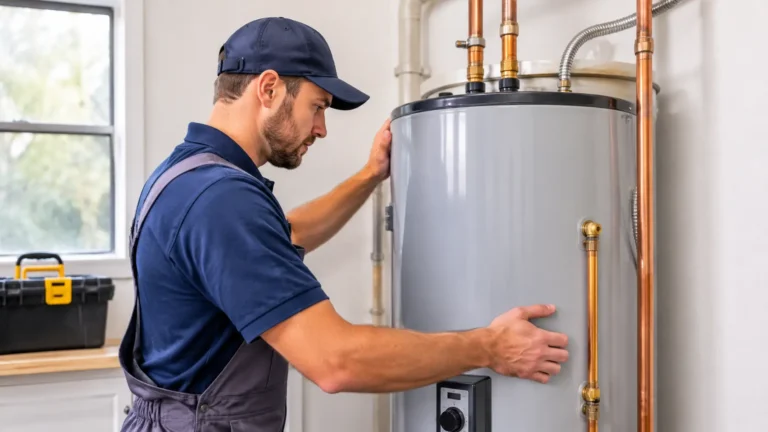
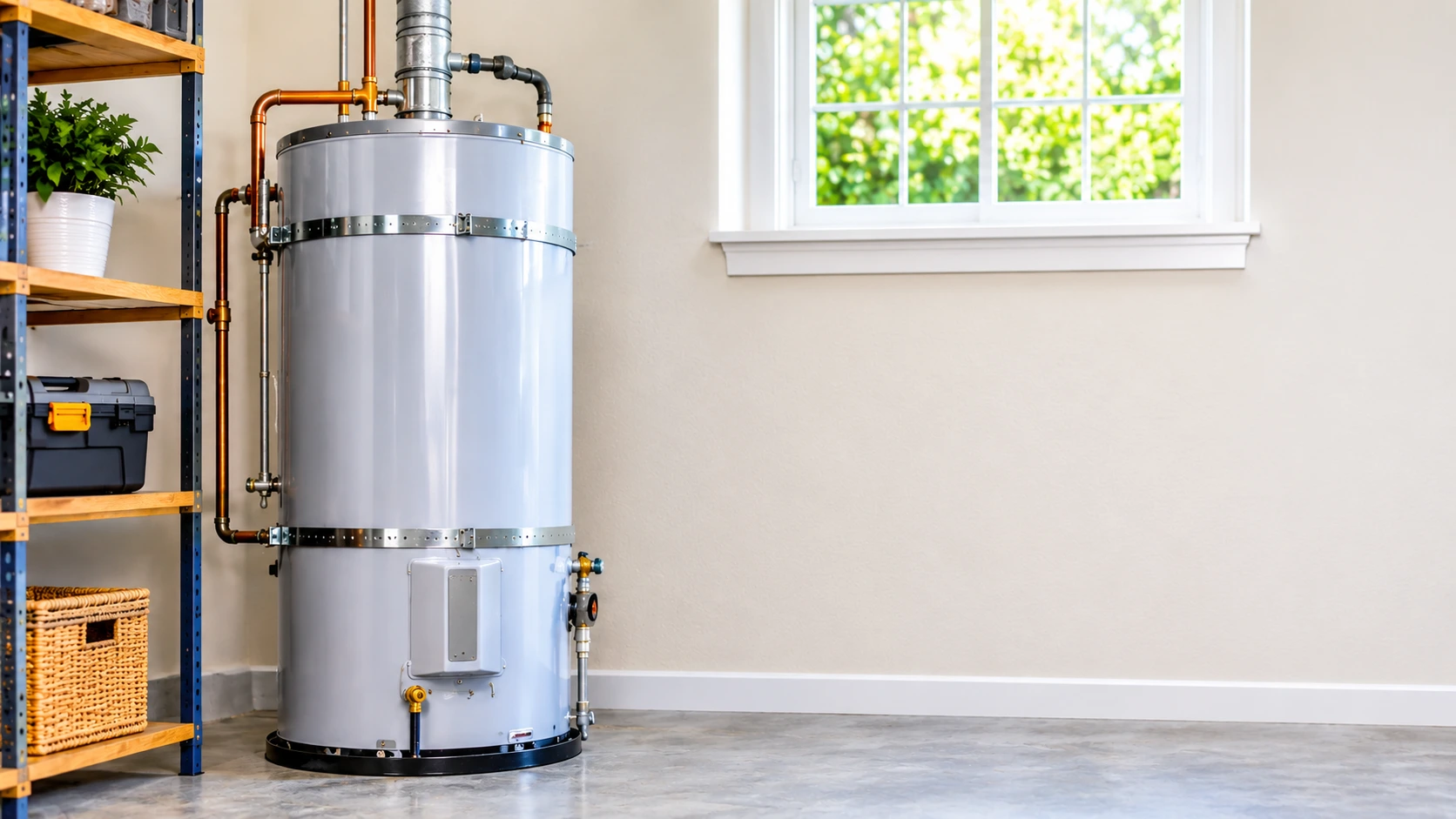
Most traditional tank water heaters last around 8 to 12 years, while tankless models can last 15 to 20 years with proper care. The exact lifespan depends on the heater type, water quality, installation, and maintenance. Sediment buildup, rust, and worn parts can shorten its life. Regular inspections and timely repairs can help your water heater work longer and reduce unexpected breakdowns.
Knowing when your water heater is getting old helps you plan ahead. You can avoid sudden hot water loss, costly leaks, and damage to your home by recognizing warning signs early.
What Is the Average Lifespan of a Hot Water Heater?
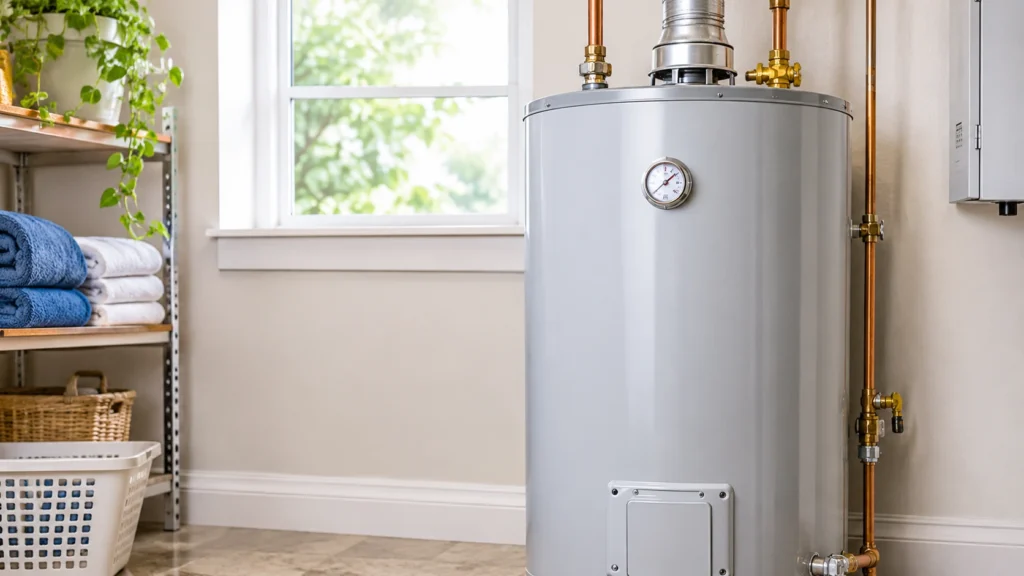
The hot water heater life expectancy depends mainly on its design and how well it is maintained. Most standard tank heaters last about 8 to 12 years. Tankless heaters often last longer because they do not store water in a large tank that can rust over time.
| Water heater type | Average lifespan |
| Conventional tank water heater | 8–12 years |
| Electric tank water heater | 8–12 years |
| Gas tank water heater | 8–12 years |
| Tankless water heater | 15–20 years |
| Heat pump water heater | 10–15 years |
These are general estimates, not guaranteed lifespans. Some heaters fail earlier because of poor water quality, neglect, or bad installation. Others keep working beyond their expected age with proper care. If your heater is approaching the end of its expected life, start planning for replacement. Waiting until it fails can leave your household without hot water when you need it most.
How Long Do Different Types of Water Heaters Last?
Different water heaters have different parts, designs, and maintenance needs. Understanding these differences helps you know what to expect from your unit.
How Long Does a Tank Water Heater Last?
Traditional tank water heaters usually last 8 to 12 years. They store hot water inside a metal tank and keep it heated throughout the day. Over time, minerals from the water settle at the bottom. This sediment can make heating less efficient and cause rumbling or popping noises.
The inside of the tank can also corrode, especially if its protective anode rod wears out. Flushing sediment and checking the anode rod can help protect the tank. However, a leaking tank usually needs replacement rather than repair.
How Long Does an Electric Water Heater Last?
Electric tank water heaters generally last 8 to 12 years. They use heating elements to warm the water inside the tank. Common problems include burned-out heating elements, faulty thermostats, loose electrical connections, and sediment buildup.
These problems may cause slow heating or a lack of hot water. Many electric heater problems can be repaired. Replacing a worn heating element may be worthwhile if the tank is still in good condition.
How Long Does a Gas Water Heater Last?
Gas tank water heaters usually last around 8 to 12 years. They use a gas burner to heat water, while a thermostat controls the temperature. Burner problems, poor ventilation, rust, and worn parts can affect performance.
Regular inspection helps keep the heater working safely. Gas connections and venting problems should always be checked by a qualified professional.
What Is the Tankless Water Heater Lifespan?
The tankless water heater lifespan is often around 15 to 20 years. These systems heat water as it flows through the unit instead of storing it in a tank.
They can last longer because they do not have a large storage tank that may corrode. However, mineral buildup inside the heat exchanger can reduce performance. Regular descaling is important, especially in areas with hard water. Tankless heaters may also need repairs to sensors, valves, or electronic parts as they age.
What Factors Affect a Water Heater’s Lifespan?
Several conditions can cause a water heater to wear out sooner than expected. Understanding these factors can help you prevent damage and reduce repair costs.
- Water quality: Hard water contains minerals that collect inside the tank and heating parts. Heavy buildup can reduce heating efficiency and cause damage over time.
- Maintenance: Skipping inspections, flushing, and anode rod checks can allow small problems to grow.
- Household usage: Large families use more hot water. Heavy daily use can increase wear on heating parts.
- Installation quality: Incorrect connections, poor sizing, or improper setup may cause early failures.
- Temperature settings: Very high settings can increase energy use, strain parts, and create a scalding risk.
- Corrosion: Rust inside the tank can weaken the metal and eventually lead to leaks.
A heater in a home with clean water and regular maintenance may last longer than one exposed to heavy mineral buildup and neglected repairs.
What Are the Signs Your Water Heater Is Near the End of Its Life?
Knowing the water heater replacement signs can help you act before the unit fails. Some warning signs indicate a repair is needed, while others may mean replacement is the safer choice.
Watch for these common signs:
- Rusty or discolored hot water: Brown or reddish water may indicate corrosion inside the tank or plumbing.
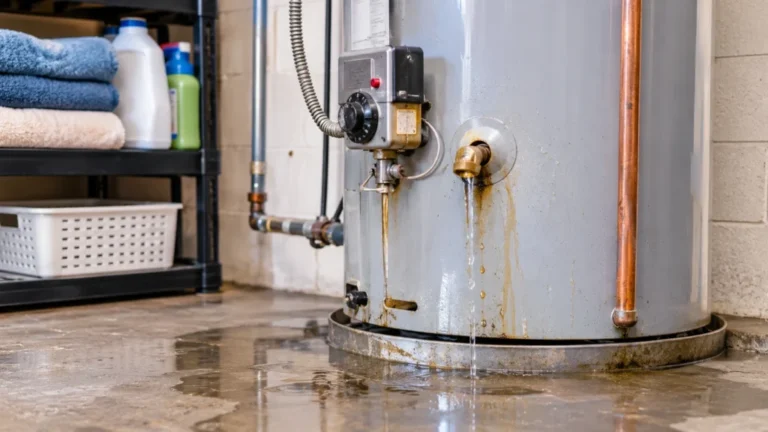
- Leaks around the tank: Water pooling near the base can point to a serious issue.
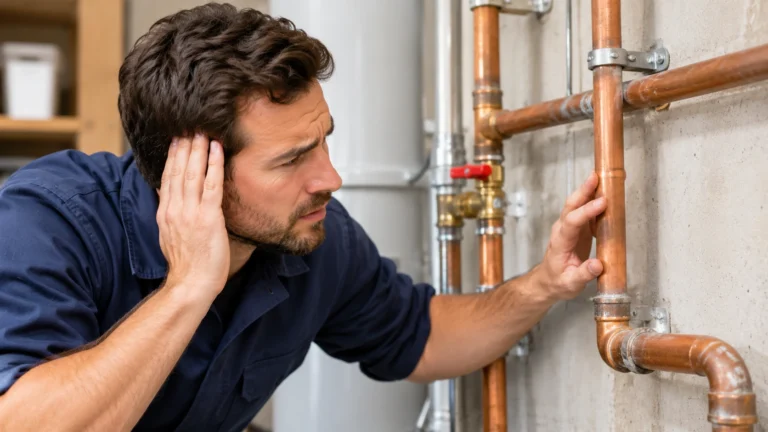
- Unusual noises: Rumbling, popping, or banging may come from sediment buildup.
- Slow heating: The heater may struggle to produce enough hot water.
- Frequent repairs: Repeated part failures can make an aging unit costly to keep.
- Inconsistent hot water: Temperature changes may indicate failing heating parts or other problems.
If you notice water leaking from the tank itself, do not ignore it. Tank leaks usually cannot be repaired reliably. Arrange an inspection and plan for replacement.
Can Regular Maintenance Make a Water Heater Last Longer?
Yes, regular maintenance can help your water heater last longer. It also helps catch worn parts before they cause a complete breakdown.
Useful maintenance tasks include:
- Flushing sediment from the tank when suitable for its condition and manufacturer’s instructions.
- Checking the anode rod and replacing it when worn.
- Inspecting water connections and valves for leaks.
- Checking the thermostat and temperature settings.
- Keeping the area around the heater clear.
- Scheduling professional inspections when needed.
Older tanks with heavy sediment or corrosion may not respond well to flushing. If the heater has been neglected for years, have it inspected before attempting maintenance.
Should You Repair or Replace an Old Water Heater?
The right choice depends on the heater’s age, condition, repair cost, and performance. A relatively new heater with a faulty thermostat or heating element may be worth repairing. However, replacement may make more sense when the heater is near the end of its expected lifespan, needs frequent repairs, or cannot provide enough hot water. A leaking storage tank is usually a replacement issue.
When deciding, compare the repair cost with the price of a new heater. Also consider energy use, warranty coverage, and your household’s hot water needs. All About Drains And Plumbing can help homeowners understand their options and choose the right solution.
What Is the Average Lifespan of a Hot Water Heater? Knowing the expected lifespan can help you decide whether repairs are worth the cost. For example, a ten-year-old tank with repeated problems may be a poor repair investment.
How Can You Extend the Life of Your Hot Water Heater?
You cannot stop normal wear, but you can reduce the damage that shortens your heater’s life. A few simple habits can help protect the system and keep hot water available.
Follow these tips to help your water heater last longer:
- Schedule regular maintenance: Have the unit checked based on the manufacturer’s recommendations and its condition.
- Check for leaks: Look around pipes, valves, and the tank for signs of moisture.
- Keep the temperature at a safe setting: Many homes use a setting near 120°F, but household needs and safety guidance may vary.
- Address strange noises early: Sediment buildup may affect heating performance and increase wear.
- Check the anode rod: A worn rod may leave the tank more vulnerable to corrosion.
- Avoid ignoring small problems: Faulty valves, heating parts, or leaks should be inspected before they become worse.
If your heater is old or needs frequent repairs, professional help can prevent guesswork. Homeowners looking for Water Heater Installation & Repair in San Diego can contact All About Drains And Plumbing for help inspecting their system, repairing faulty parts, or planning a replacement.
Conclusion
What Is the Average Lifespan of a Hot Water Heater? Most traditional tank heaters last 8 to 12 years, while tankless models can last around 15 to 20 years. Water quality, installation, usage, and maintenance all affect how long a heater works.
Watch for leaks, rust-colored water, unusual sounds, and frequent breakdowns. These signs can help you decide when to repair or replace your unit. Regular care and timely repairs can extend its useful life and help you avoid an unexpected loss of hot water. If your water heater is getting older, do not wait for it to fail completely. Contact us today to have it checked and get advice on the best next step for your home.
FAQs
How long should a hot water heater last?
Most traditional tank water heaters last 8 to 12 years. Tankless models can last 15 to 20 years with regular maintenance.
Can a water heater last 20 years?
Yes, some water heaters can last 20 years, especially tankless models. Traditional tank heaters may also last longer with good water quality and proper care, but this is not guaranteed.
Should I replace my water heater after 10 years?
Not always. If it works well and shows no signs of damage, it may continue operating. However, schedule an inspection and start planning for replacement.
How do I know if my water heater needs replacing?
Leaks from the tank, rusty hot water, frequent breakdowns, poor heating, and loud noises can indicate problems. A professional inspection can help determine whether replacement is necessary.
Does flushing a water heater make it last longer?
Flushing can remove sediment that collects inside the tank. This may improve heating performance and reduce buildup, but it cannot reverse corrosion or repair a damaged tank.
Which lasts longer, a tank or tankless water heater?
Tankless water heaters generally last longer. Many last 15 to 20 years, while traditional tank models often last 8 to 12 years.