A water heater should provide steady hot water without strange noises, leaks, or sudden temperature changes. When something goes wrong, your daily routine can become difficult. Small warning signs can also point to larger problems inside the unit. Ignoring them may lead to water damage, higher energy bills, or a complete breakdown. Knowing what to watch for helps you take action before the problem gets worse.
What Are the Signs Your Water Heater Needs Repair? Common signs include no hot water, unusual tank noises, rusty water, leaks, and changing temperatures. Finding these problems early can help you avoid costly repairs and keep your hot water running.
What Are the Signs Your Water Heater Needs Repair?
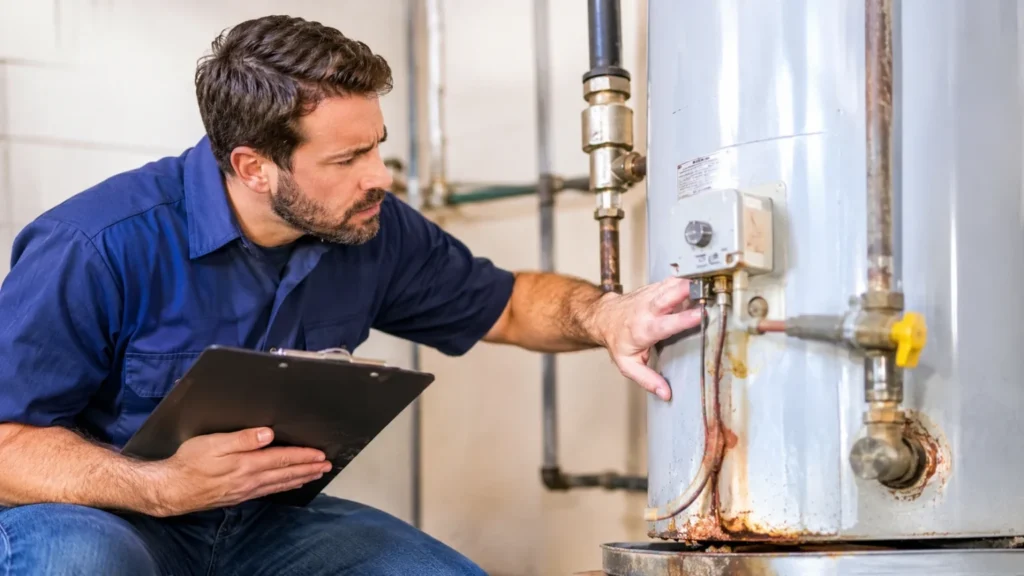
Water heaters often show warning signs before they stop working. Watch for these common problems around your home.
1. No Hot Water
No hot water is one of the clearest signs of a water heater problem. You may turn on the shower and get only cold water. An electric unit may have a tripped breaker, faulty heating element, or damaged thermostat.
A gas water heater may have a pilot light or gas supply problem. Check the user manual for safe basic checks. If the unit still does not heat water, arrange a professional inspection.
2. Water Is Not Getting Hot Enough
Your water heater may still work, but the water feels lukewarm. This can happen when the thermostat setting is too low. Sediment buildup or a failing heating element can also reduce heating performance.
Check the thermostat setting against the manufacturer’s instructions. Most homes use a setting near 120°F (49°C). If the water remains cold or takes too long to heat, have the unit checked.
3. Strange Noises Coming From the Tank
Popping, rumbling, or banging sounds can point to sediment buildup. Minerals from the water settle at the bottom of the tank. When the burner or heating element warms the water, trapped water beneath the sediment can make popping sounds.
A loud or repeated noise should not be ignored. A plumber can inspect the tank and flush it when suitable. Do not attempt to open or repair the unit while it is hot or powered.
4. Rusty or Discolored Hot Water
Rust-colored water from your hot taps may indicate corrosion inside the water heater. The tank’s protective anode rod can wear down over time. Once its protection weakens, the tank may begin to rust.
First, check whether cold water also looks discolored. If only hot water has a rusty color, the heater may be the source. A plumber can inspect the anode rod and tank condition.
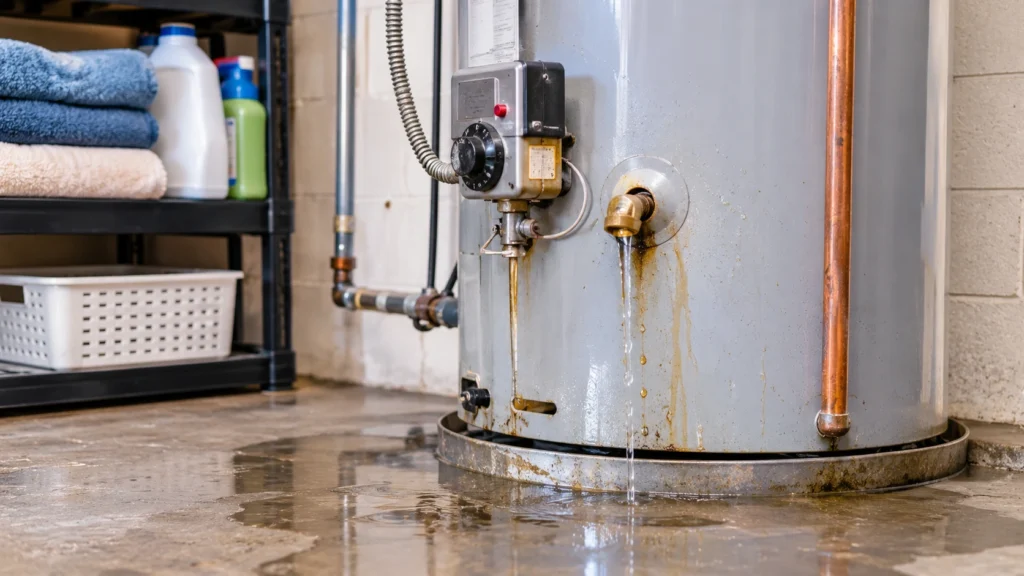
5. Water Leaking Around the Water Heater
Water around the base of a heater needs attention. It may come from a loose connection, leaking valve, drain fitting, or damaged tank. Even a small leak can damage floors and nearby walls.
Check whether the water comes from a pipe connection or the tank itself. A leaking tank usually needs replacement. If water is near electrical parts, avoid touching the unit and seek professional help.
6. Fluctuating Water Temperature
Does your shower suddenly turn cold or become too hot? Changing temperatures can point to a faulty thermostat or heating element. Sediment buildup can also affect how well the heater warms water.
If the temperature changes often, have the unit inspected. Water that gets too hot can cause burns. Keep the thermostat near the recommended setting and avoid making large adjustments without checking the manual.
7. Low Hot Water Pressure
Low pressure from hot taps may indicate a blockage or buildup. Mineral deposits can collect inside the heater’s outlet pipes and plumbing connections. Corroded pipes can also restrict water flow.
Check whether cold water pressure is normal. If cold water flows well but hot water remains weak, the problem may be in the heater or hot water lines. A plumber can find the cause.
8. Unusual Smell in Hot Water
Hot water with a rotten egg smell may point to bacteria reacting inside the tank. The issue can also involve the anode rod and water chemistry. Do not ignore a strong or lasting smell.
If the odor appears only in hot water, arrange an inspection. If you smell gas near a gas water heater, leave the area. Avoid switches, flames, and other ignition sources. Contact your gas supplier or emergency service from a safe location.
What Causes Common Water Heater Problems?
Several issues can affect how well a water heater works. Sediment buildup is common, especially in areas with hard water. Minerals settle inside the tank and make heating less efficient.
Other causes include worn heating elements, faulty thermostats, corrosion, loose connections, and high water pressure. Poor maintenance can also shorten the life of important parts. Regular checks help catch these problems before they cause a full breakdown.
Can You Repair a Water Heater Yourself?
You can perform a few basic checks without opening the unit. First, check whether the circuit breaker has tripped on an electric model. Look at the thermostat setting and inspect visible pipes for signs of leaks.
For a gas unit, follow the manufacturer’s instructions for checking the pilot light. Never remove covers or work on gas controls unless you are qualified. Do not touch exposed wires, drain hot water, or remove safety parts.
Water heater repairs can involve electricity, gas, hot water, and pressure. Leave internal repairs, wiring, gas parts, and tank leaks to a trained plumber.
When Should You Repair or Replace Your Water Heater?
The right choice depends on the unit’s age, condition, and repair cost. A faulty thermostat, heating element, or valve may be worth repairing. A leaking tank or severe corrosion usually calls for replacement. Traditional tank water heaters often last around 8 to 12 years. Tankless models can last around 15 to 20 years with proper care. These are general ranges, not guarantees.
Look for these signs water heater needs to be replaced:
- The tank is leaking from its body.
- Rust keeps appearing in hot water.
- Repairs are becoming frequent.
- The unit struggles to provide enough hot water.
- The heater is near or past its expected service life.
These are common signs of a dying water heater. Ask a plumber to compare repair costs with the cost of a new unit.
How Can You Prevent Water Heater Problems?
Regular care can help your water heater last longer. Follow these simple steps:
- Arrange regular inspections by a qualified plumber.
- Flush the tank when the manufacturer recommends it.
- Check visible pipes and fittings for leaks.
- Keep the thermostat near 120°F (49°C), unless your needs require another safe setting.
- Have the anode rod checked and replaced when needed.
- Keep the area around the heater clear.
- Follow the manufacturer’s maintenance instructions.
Never cap or block the temperature and pressure relief valve discharge pipe. This safety part helps release excess pressure when needed.
When Should You Call a Professional Plumber?
Call a plumber if your heater keeps losing hot water, makes unusual noises, leaks, or produces rusty water. You should also seek help when temperatures change often or hot water pressure stays low.
A leaking tank, repeated breakdowns, and signs of corrosion need prompt attention. If you smell gas, leave the area and contact the gas supplier or emergency service. Do not try to repair a gas leak yourself.
If you need expert help, All About Drains And Plumbing can assist with water heater concerns. Homeowners looking for Water heater Installation in San Diego can also get professional guidance on choosing and installing a suitable unit.
Conclusion
Water heaters often show warning signs before they fail. No hot water, leaks, strange sounds, rusty water, and changing temperatures all deserve attention. Finding the cause early can help prevent damage and reduce repair costs.
Do not wait for a complete breakdown before getting help. All About Drains And Plumbing can help you understand your water heater problem and find the right service. Contact us today for professional plumbing assistance.
FAQs
How do I know if my water heater is going bad?
Common signs include no hot water, rusty water, leaks, unusual noises, and changing temperatures. Frequent repairs can also indicate that the unit is nearing the end of its life.
What is the most common problem with water heaters?
Sediment buildup is a common problem in tank water heaters. Minerals collect at the bottom of the tank and can reduce heating performance. Faulty thermostats and heating elements are also common issues.
How long should a water heater last?
Traditional tank water heaters usually last 8 to 12 years. Tankless models can last 15 to 20 years with proper maintenance. Actual lifespan depends on water quality, use, and care.
Is a leaking water heater dangerous?
A leaking water heater can cause floor damage, mold, and other property problems. A leak near electrical parts can also create a safety risk. Have the source checked promptly.
Should I repair or replace my old water heater?
Repair may make sense for a small fault, such as a damaged thermostat or heating element. Replacement is often the better choice when the tank leaks, has severe corrosion, or needs frequent costly repairs.