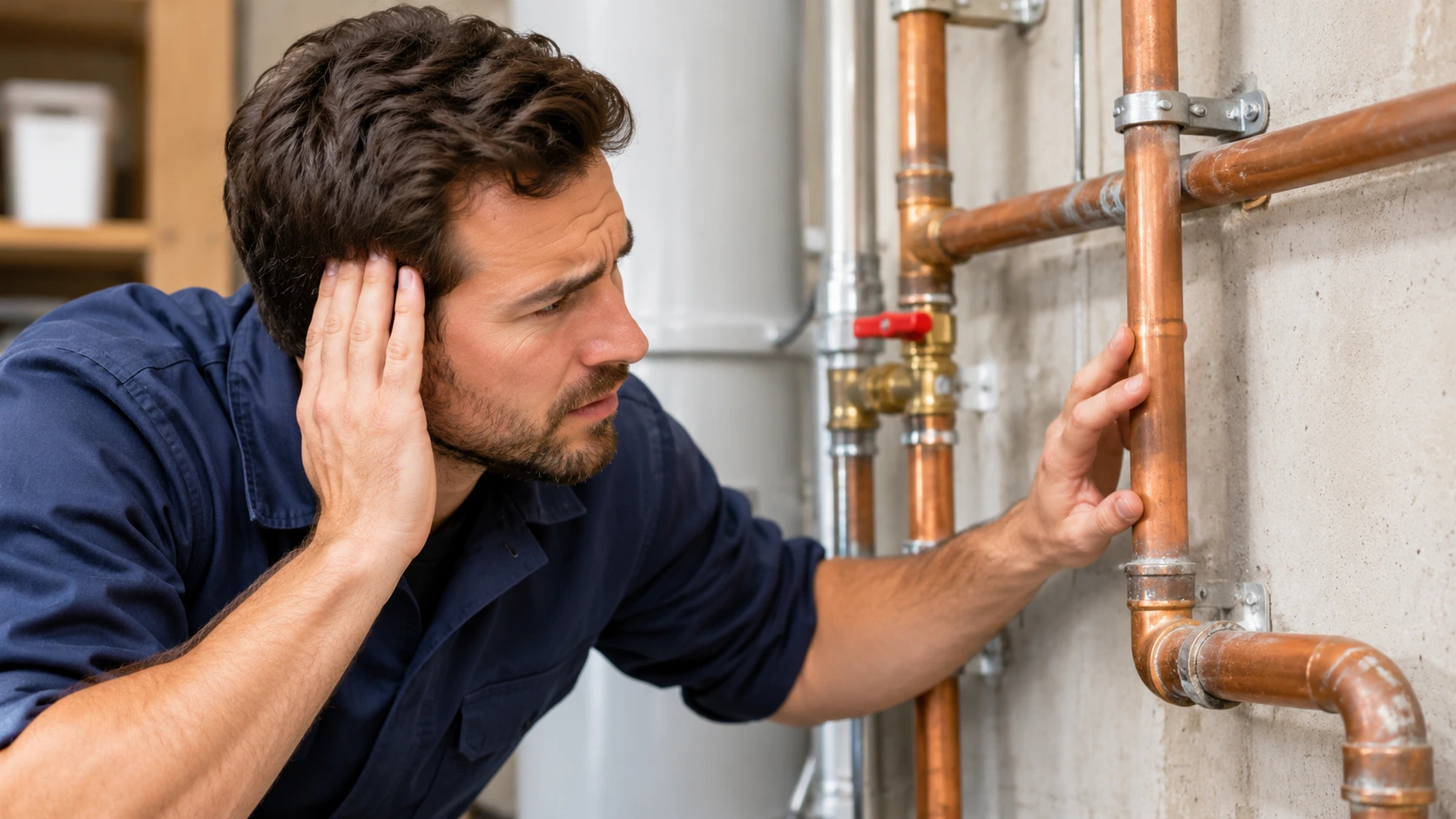
Banging or knocking sounds from water pipes can be annoying. These noises often happen when water flow changes suddenly or pipes move inside walls. High water pressure, loose pipe supports, and trapped air can also cause this problem. Ignoring these sounds may lead to leaks or damage over time.
What Causes Pipes to Make Banging or Knocking Sounds? The most common reason is water hammer, which happens when moving water stops suddenly. Finding the cause helps you choose the right fix and protect your plumbing system.
What Causes Pipes to Make Banging or Knocking Sounds?
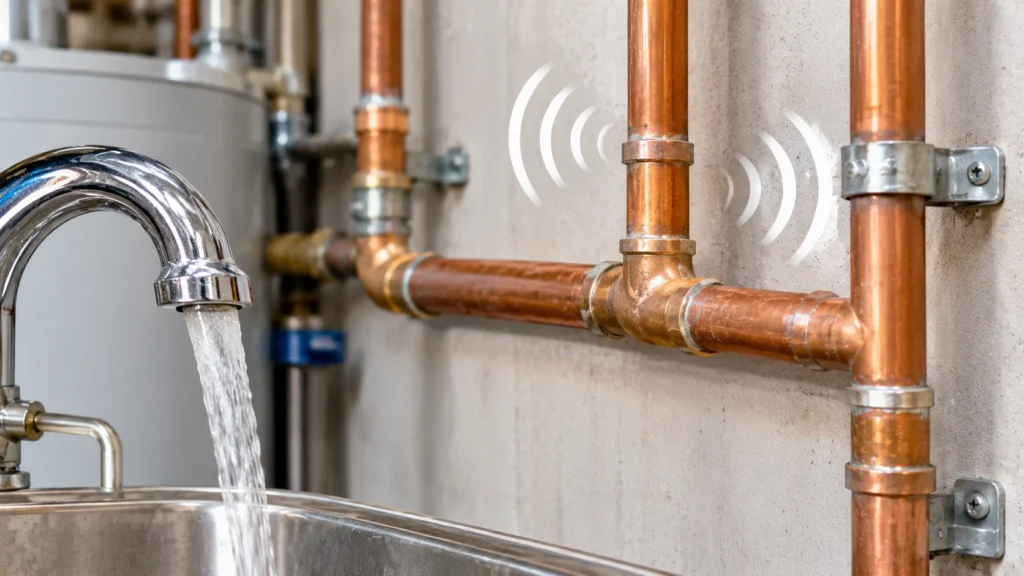
Several plumbing problems can cause banging, knocking, or rattling sounds. The noise may happen when you turn a faucet on or off. It can also occur when appliances use water.
Here are the most common causes of banging pipes:
- Water hammer: A sudden stop in water flow creates pressure that makes pipes shake.
- High water pressure: Excess pressure puts stress on pipes and their connections.
- Loose pipes: Poorly secured pipes may move and hit nearby walls or floor frames.
- Trapped air: Air pockets can interrupt water flow and create knocking sounds.
- Thermal expansion: Hot water makes pipes expand and rub against nearby surfaces.
- Faulty valves: Worn valves may cause sudden changes in water flow.
The timing of the noise can help identify its cause. For example, a loud bang after closing a faucet may indicate a water hammer. Repeated tapping while using hot water may point to pipe expansion.
What Is a Water Hammer and Why Does It Happen?
Water hammer is one of the most common reasons for a knocking noise in water pipes. It happens when moving water stops or changes direction suddenly. This creates a pressure wave that travels through the plumbing system.
For example, imagine running a faucet and closing it quickly. The moving water hits the closed valve and creates a sudden shock. This pressure can make pipes bang against nearby surfaces.
Washing machines and dishwashers can also cause water hammering. Their automatic valves often close quickly during normal operation.
Common signs of water hammer include:
- A loud bang when turning off a faucet.
- Knocking sounds after a washing machine stops filling.
- Pipes shaking when appliances use water.
- Repeated banging after a valve closes.
A water hammer arrestor can help absorb these pressure shocks. A plumber can check the system and install one where needed.
Can High Water Pressure Cause Pipes to Knock?
Yes, high water pressure can cause pipes to knock, vibrate, or make other unusual sounds. Excess pressure forces water through the plumbing system with greater force. This puts extra stress on pipes, joints, valves, and fixtures.
Most homes work well with water pressure between 40 and 60 PSI. Pressure above 80 PSI is generally too high for residential plumbing. It can increase the risk of leaks, damaged fixtures, and pipe problems.
You may notice these warning signs:
- Faucets produce unusually strong water flow.
- Toilets make noise after flushing.
- Pipes vibrate when several fixtures run.
- Appliances make unusual sounds during filling.
A plumber can test your water pressure with a pressure gauge. If the reading is too high, a pressure-reducing valve may help control it.
Can Loose Pipes Make Banging or Rattling Sounds?
Loose or poorly supported pipes are another common cause of banging noises. Water moving through pipes creates small movements and vibrations. When pipes lack proper support, they can hit walls, ceilings, or floor frames.
This often happens with pipes hidden behind walls or exposed under sinks. Older pipe supports may also become loose or worn over time.
A plumber can inspect accessible pipes and secure them with suitable clamps or brackets. Adding protective padding can prevent pipes from hitting hard surfaces. Avoid tightening pipes without checking their condition first.
Why Do Pipes Make Knocking Sounds When Hot Water Is Running?
Hot water can cause pipes to expand as their temperature increases. When pipes expand, they may rub against wooden frames, brackets, or other nearby surfaces. This movement can create tapping, clicking, or knocking sounds.
You may hear these noises shortly after turning on a hot water faucet. The sounds can also continue while hot water moves through the pipes.
Insulating pipes can reduce contact with nearby surfaces. Proper supports also give pipes room to expand and contract. If the noise continues, have a plumber inspect the affected section.
How Can You Stop Pipes From Banging or Knocking?
The right solution depends on what causes the noise. Fixing the actual problem is better than covering up the sound.
Here are some useful ways to reduce banging pipes:
- Check water pressure: Ask a plumber to test the pressure and adjust it if needed.
- Secure loose pipes: Add suitable pipe clamps and supports to exposed plumbing.
- Install water hammer arrestors: These devices absorb sudden pressure changes.
- Check faulty valves: Replace worn or damaged valves that disrupt water flow.
- Inspect for trapped air: A plumber can check the system and remove air pockets when necessary.
- Insulate hot water pipes: Use suitable pipe insulation to reduce rubbing and noise.
Do not ignore loud or repeated banging. If the noise starts suddenly or comes with leaks, arrange a plumbing inspection.
When Should You Call a Professional Plumber?
Some pipe noises are minor, but others can point to serious plumbing problems. Call a professional plumber when the sounds keep returning or become louder.
You should seek professional help if you notice:
- Loud banging after turning faucets or appliances off.
- Pipes shaking or moving inside walls.
- Sudden changes in water pressure.
- Water stains, damp walls, or visible leaks.
- Knocking sounds throughout several rooms.
- Repeated noise even after checking accessible pipes.
A plumber can inspect the pipes, test water pressure, and check valves. They can also identify hidden problems without causing unnecessary damage to walls.
How Can You Prevent Plumbing Pipes From Making Noise?
Regular plumbing care can help prevent noisy pipes and costly repairs. Start by checking exposed pipes, faucets, and valves for signs of wear. Keep water pressure within the recommended range for your home.
You should also:
- Schedule regular plumbing inspections.
- Check pipe supports and replace damaged clamps.
- Repair leaking faucets and faulty valves.
- Inspect appliances connected to water lines.
- Address unusual pipe sounds before they get worse.
For reliable help, homeowners can contact All About Drains And Plumbing for professional Plumbing Services In San Diego. A qualified plumber can inspect your system and recommend suitable repairs before small problems become expensive.
Conclusion
Banging or knocking pipes usually point to changes in water pressure, loose supports, water hammer, or thermal expansion. Finding the cause is the first step toward fixing the noise. Regular inspections and timely repairs can help protect your plumbing system. If your pipes keep making unusual sounds, contact a professional plumber. Contact us today for help with your plumbing concerns.
FAQs
Why do my pipes bang when I turn the water off?
This usually happens because of water hammer. Water stops suddenly and creates a pressure wave that makes pipes shake or bang.
Is it dangerous when water pipes make knocking sounds?
Not every noise indicates serious damage. However, repeated banging can point to high pressure, loose pipes, or faulty parts that need attention.
Can high water pressure cause banging pipes?
Yes. High pressure can increase pipe vibrations and put extra stress on plumbing connections, valves, and fixtures.
How do I stop my water pipes from knocking?
Check water pressure, secure loose pipes, and inspect faulty valves. A plumber may also install a water hammer arrestor.
Why do pipes make noise when using hot water?
Hot water causes pipes to expand. They may rub against nearby surfaces and create tapping or knocking sounds.
Can air in pipes cause banging noises?
Yes. Trapped air can interrupt water flow and cause unusual sounds. A plumber can check the system and remove trapped air when needed.
Should I call a plumber for noisy water pipes?
Call a plumber if banging continues, becomes louder, or occurs with leaks, shaking pipes, or sudden pressure changes.