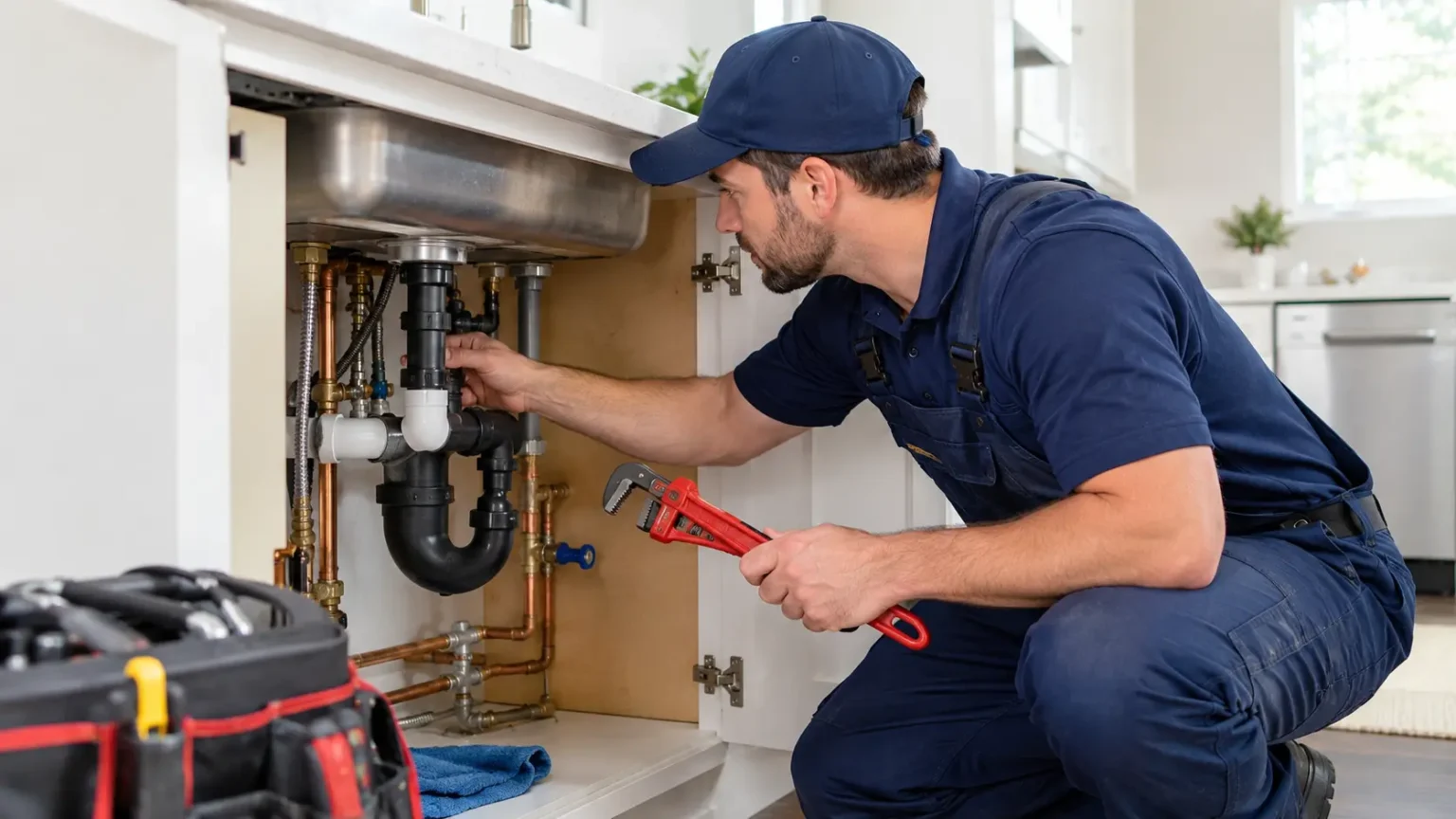
I know a plumber does more, than just fix leaking taps. A plumber installs pipes, repairs toilets clears blocked drains finds leaks and maintains water heaters. A plumber also inspects sewer lines fixes water pressure problems and handles plumbing issues. These services help keep homes clean and working well.
If you are asking, “What Services Will a Plumber Provide?” the answer depends on your plumbing needs. A professional plumber can handle repairs, major pipe damage, new installations and routine checks. Knowing what a plumber does helps you choose the service and avoid costly damage.
1. Plumbing Installation Services
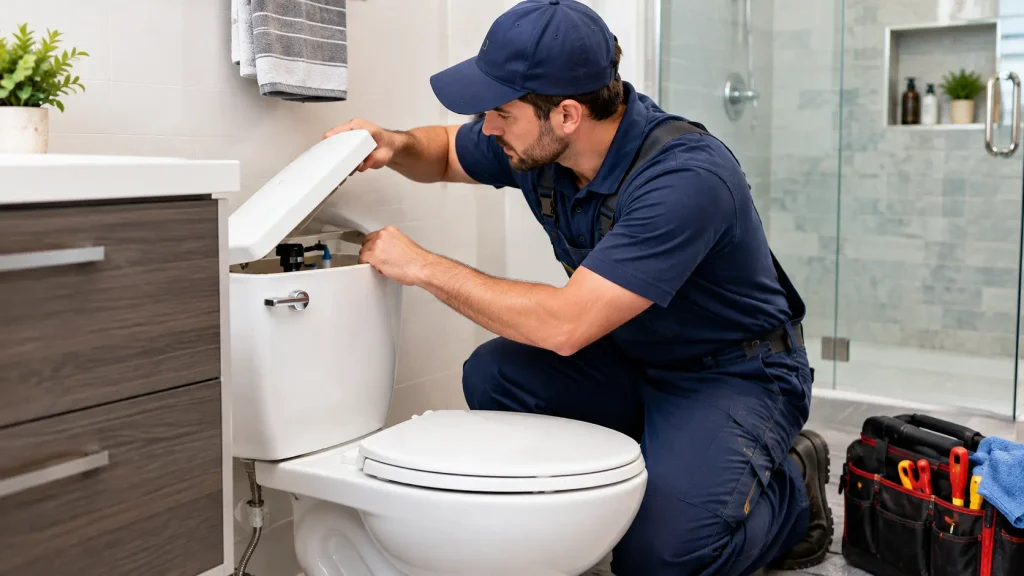
Plumbers put in the pipes, fixtures and fittings that carry water through your home. I see how plumbers do this. They also hook up appliances and make sure each part works correctly. Common plumbing installation services include:
- Pipes and fittings: Installing water supply and drain pipes in new or renovated homes.
- Sinks and faucets: Fitting kitchen sinks, bathroom basins, taps, and mixers.
- Toilets and showers: Installing toilets, showerheads, bathtubs, and related fixtures.
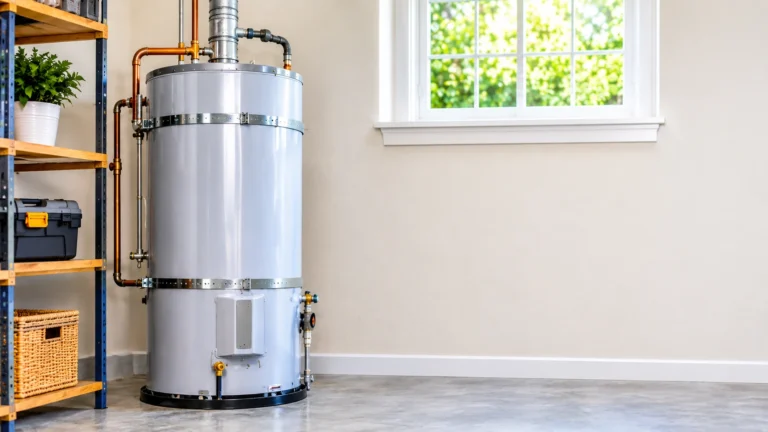
- Water heaters: Connecting suitable units to your home’s water supply.
- Appliance connections: Setting up plumbing for washing machines and dishwashers.
Proper installation stops leaks from happening. It also stops water from not draining. It keeps surfaces from getting damaged. Always hire a plumber who’s qualified. Use a plumber who is trained for jobs that need permits. Get a plumber who has the skills, for hard tasks.
2. Plumbing Repair Services
Pipes and fixtures can wear out loosen or break over time. A plumber will find the cause of the problem. Repair it safely.
Common repairs that a plumber handles are leaking taps, dripping pipes, running toilets, broken valves and faulty shower fittings. Plumbers can also look into water flow and damaged pipe joints.
Plumbing installation and repair work addresses the cause, not just the visible symptoms. For example a plumber may replace a toilet seal instead of repeatedly tightening loose parts. This helps reduce repeat problems and wasted water.
3. Drain Cleaning and Unblocking
Blocked drains can cause slow water flow, bad smells, and water backups. Professional drain cleaning services remove blockages and help restore proper drainage.
Plumbers commonly clear:
- Kitchen sinks blocked by grease and food waste.
- Bathroom drains clogged with hair and soap.
- Toilets blocked by excess paper or unsuitable items.
- Outdoor drains affected by leaves and debris.
- Main drain lines blocked by heavy buildup or tree roots.
Depending on the blockage, a plumber may use a drain snake, water jetting equipment, or a camera inspection. Avoid pouring harsh chemicals into blocked pipes, as they can damage some plumbing materials.
If several drains back up at once, the problem may involve the main sewer line. A professional inspection can help locate the cause.
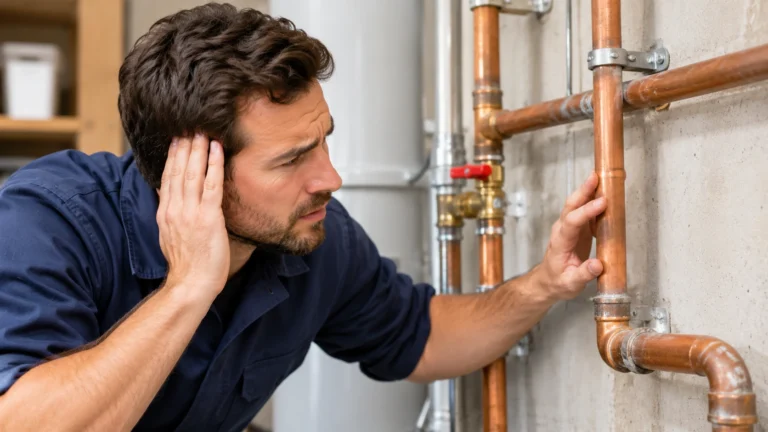
4. Leak Detection Services
Some water leaks are easy to spot, while others stay hidden behind walls, beneath floors, or underground. Even a small leak can waste water and cause damage if left untreated.
A plumber may check water meters, inspect pipe joints, test the system, or use special leak detection tools. They then locate the source and recommend the right repair.
Watch for these warning signs:
- Damp patches on walls or ceilings.
- Peeling paint or bubbling wallpaper.
- Mold or musty smells.
- Unexplained increases in water bills.
- Water sounds when taps are turned off.
Finding leaks early can help protect your home and limit repair costs.
5. Water Heater Services
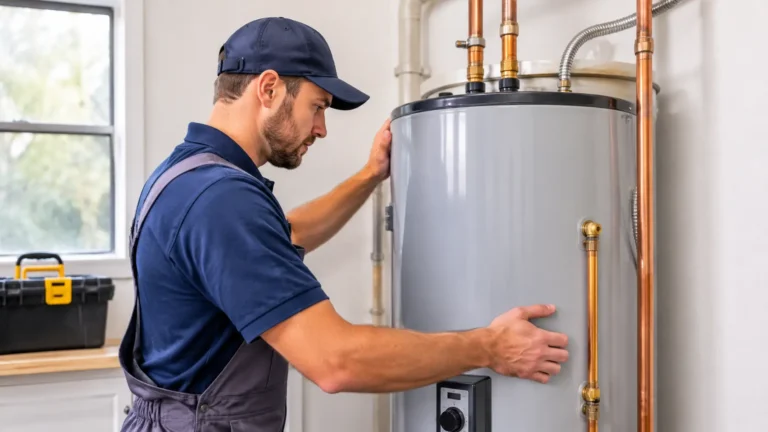
Water heaters supply hot water for bathing, washing, and cleaning. When a unit stops working, a plumber can inspect it and identify the fault.
Water heater services may include installation, repairs, routine cleaning, and replacement. A plumber can check faulty valves, leaking connections, temperature issues, and unusual noises.
If your water turns cold quickly or takes too long to heat, the unit may need attention. Some faults involve electrical parts or gas connections, so use a qualified technician for the work required.
Regular servicing also helps identify wear before it leads to a larger problem.
6. Sewer Line Services
Sewer lines carry wastewater away from your property. Damage or blockages can cause unpleasant smells, slow drains, and sewage backups.
A plumber may provide these sewer line services:
- Inspecting pipes with a sewer camera.
- Clearing blockages caused by debris or roots.
- Repairing cracked or damaged pipe sections.
- Replacing badly worn sewer lines.
- Checking recurring drainage problems.
Repeated toilet backups or several blocked drains may point to a main line problem. A plumber can inspect the system and explain whether cleaning, repair, or replacement is needed.
Do not ignore sewage coming into your home. Keep people away from contaminated water and arrange professional help promptly.
7. Bathroom and Kitchen Plumbing
Bathrooms and kitchens use plumbing throughout the day, so their fixtures can develop leaks and blockages.
A plumber can repair sinks, faucets, toilets, showers, bathtubs, and kitchen drains. They can also connect dishwashers and washing machines, replace worn pipes, and install new fixtures during renovations.
For example, a dripping kitchen tap might need a new cartridge or seal. A bathroom renovation may require new supply lines, drain pipes, and fixture connections.
These residential plumbing services help keep everyday tasks working properly. A plumber can also check that new fixtures fit your existing pipes and drain system.
8. Emergency Plumbing Services
Some plumbing problems need immediate attention to prevent serious damage. Many plumbers offer emergency plumbing services for urgent issues outside normal working hours. Common plumbing emergencies include burst pipes, major leaks, overflowing toilets, and severe sewer backups. A plumber can locate the fault, stop the immediate problem, and carry out suitable repairs.
If a pipe bursts, shut off the main water supply if you can do so safely. Keep away from wet electrical equipment and contact a qualified plumber. When booking emergency help, explain what happened, where the problem is, and whether water is still flowing. Clear details can help the plumber prepare for the job.
9. Water Pressure and Pipe Services
Low water pressure can make showers feel weak and taps run slowly. On the hand high water pressure can push too hard on pipes, valves and appliances leading to damage over time. A plumber can check water pressure, examine valves search for leaks and inspect pipes that might be clogged or broken. Depending on what’s wrong they might clean a pipe replace a bad valve or install a pressure regulator to keep things balanced.
Older pipes can also. Start leaking as they age. Fixing or replacing these damaged parts helps restore water flow and stops bigger problems from happening later.. Don’t jump to the conclusion that low pressure always means a broken pipe. The real cause could be something like a problem, with the main water supply or a faulty shower head, faucet or other fixture. Always get a professional to check before assuming what’s wrong.
10. Plumbing Maintenance and Inspections
Routine maintenance helps find small faults before they become costly repairs. A plumber can inspect visible pipes, taps, valves, drains, and water heaters. During a check, they may look for corrosion, slow drainage, loose fittings, leaks, and signs of water damage. They can also explain which parts need repair now and which should be watched.
How often you need an inspection depends on your property’s age, pipe condition, and past problems. Homes with older plumbing or repeated leaks may need more frequent checks. Simple habits also help. Fix dripping taps, avoid flushing unsuitable items, and keep grease out of kitchen drains.
11. Gas Plumbing Services
Some plumbers are trained and licensed to work on gas pipes and gas-powered appliances. Their services may include installing gas lines, repairing connections, and testing for leaks. Gas work requires the right qualifications and must follow local safety rules. Never try to find a gas leak with a flame or repair a gas line yourself.
If you smell gas, leave the area, avoid switches and flames, and contact your local gas emergency service from a safe location.
How to Choose the Right Plumbing Service
Choosing the right plumber helps you get a suitable repair without paying for unnecessary work. Before booking, consider these points:
- Check qualifications: Confirm the plumber has the required training, licenses, or certifications.
- Ask about experience: Choose someone familiar with your type of plumbing problem.
- Request a clear estimate: Ask about labor, parts, extra charges, and possible repairs.
- Check reviews: Look for feedback about reliability, communication, and work quality.
- Confirm availability: Ask whether the plumber handles urgent jobs and offers a workmanship warranty.
If you need Plumbing Services in Carlsbad CA, choose a provider who understands local plumbing needs and clearly explains your options. All About Drains And Plumbing can use this section to link readers to its relevant service page.
Before approving the work, ask what caused the problem, how the repair will help, and whether follow-up maintenance is needed.
Conclusion
Plumbers do far more than fix leaking taps. They install pipes and fixtures, clear blocked drains, detect hidden leaks, repair water heaters, and inspect sewer lines. They also handle urgent plumbing problems and routine maintenance.
Understanding what services will a plumber provide helps you find the right professional for your needs. Whether you need a small repair or a major installation, choose a qualified plumber who explains the problem and provides a clear estimate. Contact us today for reliable plumbing services and expert help with your plumbing needs.
FAQs
What are the most common services plumbers provide?
Common services include fixing leaks, repairing toilets, installing taps, clearing blocked drains, repairing pipes, and servicing water heaters.
Can a plumber fix blocked drains?
Yes. Plumbers use suitable tools to clear blocked sinks, showers, toilets, and sewer lines. They can also investigate recurring blockages.
Do plumbers offer emergency services?
Many plumbers provide emergency help for burst pipes, major leaks, overflowing toilets, and sewer backups. Availability varies by provider.
Can plumbers detect hidden water leaks?
Yes. Plumbers can use inspections, pressure tests, water meter checks, and specialist tools to find leaks behind walls or under floors.
How often should plumbing be inspected?
It depends on the home’s age, pipe condition, and repair history. Regular checks can help identify leaks, corrosion, and drainage issues early.