



Knowing how much a toilet weighs helps you plan a safe removal, move, or replacement. Most standard toilets weigh between 70 and 120 pounds, depending on their design and size. One-piece toilets often weigh more than two-piece models. The bowl, tank, and extra features also affect the total weight.
If you are asking How Much Does a Toilet Weigh?, the answer depends on the type you own. This guide explains average toilet weights, differences between models, and safe lifting tips. You will also learn when to call a plumber for help.
How Much Does a Standard Toilet Weigh?
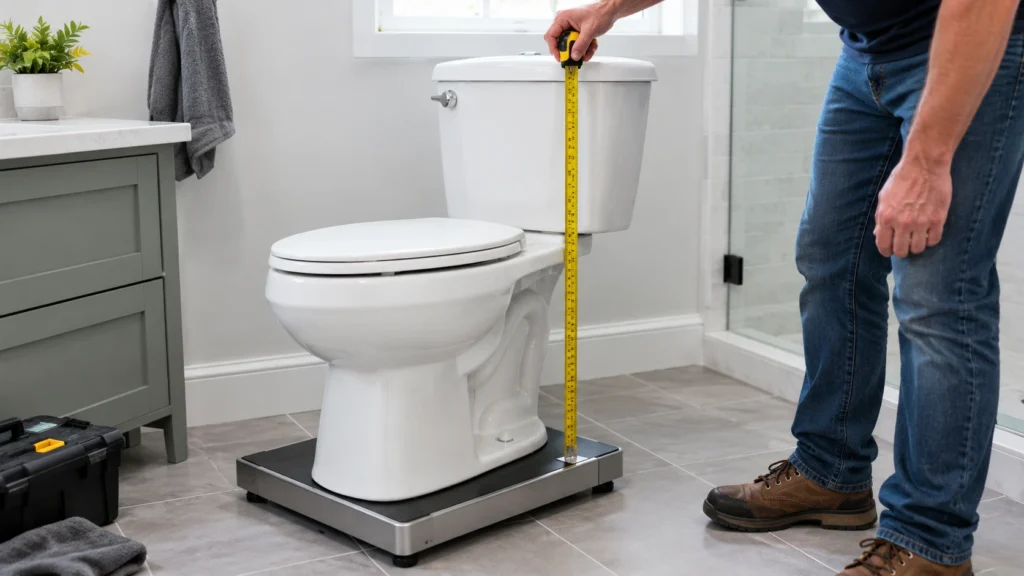
A standard household toilet usually weighs between 70 and 120 pounds. This range covers many common models, but some toilets fall outside it. A one-piece toilet often weighs more than a two-piece model of similar size.
The standard toilet weight in pounds depends on its bowl, tank, shape, and materials. Always check the manufacturer’s specifications before buying or moving one. Product weights can differ even when two toilets look almost identical.
How Much Does a Toilet Weigh Without the Tank?
A toilet bowl without its tank often weighs around 50 to 60 pounds. The exact weight depends on the model, material, and bowl size. Some designs are lighter, while larger or heavier models can weigh more. Removing the tank can make a toilet easier to move. However, the bowl remains heavy and awkward to grip. Its curved shape also makes it harder to carry than a box of similar weight.
Before removing a toilet, shut off the water supply and flush it. Drain the remaining water from the tank and bowl. Disconnect the water line, then remove the mounting bolts carefully. Use a sponge or small cup to remove leftover water. If the tank is separate, remove it before lifting the bowl when the design allows. Ask someone to help you lift the bowl safely. Keep the fixture close to your body and avoid twisting while carrying it.
How Much Do Different Types of Toilets Weigh?
Different toilet designs have different weights. The following ranges are general estimates, not exact specifications for every model.
| Toilet type | Approximate weight |
| Two-piece toilet | 70–100 pounds |
| One-piece toilet | 90–120 pounds |
| Wall-hung toilet bowl | 50–80 pounds |
| Smart toilet | 80–120+ pounds |
Two-Piece Toilets
A two-piece toilet has a separate tank and bowl. Many models weigh around 70 to 100 pounds in total. You can remove the tank first, making the bowl easier to handle.
This design is common in homes and often costs less than a one-piece model. Its separate parts can also make repairs and replacement more manageable.
One-Piece Toilets
One-piece toilets combine the tank and bowl into a single unit. Many weigh around 90 to 120 pounds, although some models fall outside this range.
When comparing one-piece vs. two-piece toilet weight, remember that a one-piece model cannot be split into separate tank and bowl sections. Its solid design can make lifting more difficult. Check the product details before planning a move or installation.
Wall-Hung Toilets
Wall-hung toilets attach to a strong frame inside the wall. The visible bowl often weighs around 50 to 80 pounds. The support frame and concealed tank add weight, but these parts are separate from the bowl.
Do not judge the full installation by the bowl’s weight alone. The frame must be suitable for the wall and installed according to the manufacturer’s instructions.
Smart and Modern Toilets
Smart toilets may include heated seats, bidet functions, sensors, and electronic controls. These added parts can affect the total weight. Some models weigh more than 120 pounds, so check the specifications for the exact unit.
What Factors Affect a Toilet’s Weight?
Several features affect the weight of a toilet. Understanding them helps you choose the right model and plan a safe installation.
- Material: Most toilets use porcelain or vitreous china. These materials are strong and heavy compared with many plastic parts.
- Size: Larger bowls and wider designs may weigh more than compact models.
- Construction: One-piece toilets often weigh more as a complete unit than two-piece toilets.
- Extra features: Bidet systems, heated seats, and built-in controls can add weight.
- Included parts: A product listing may include the seat, tank fittings, or other parts in its stated weight.
The floor and installation area matter too. A heavy toilet may be harder to carry through narrow hallways or up stairs. Measure the route before bringing a replacement toilet home.
Is a Toilet Heavy to Lift and Move?
Yes, a toilet can be difficult to lift because it is bulky, uneven, and hard to grip. Even a 70-pound toilet can feel awkward when you carry it through a doorway.
If you are wondering how heavy a toilet bowl is, remember that the bowl alone can weigh around 50 to 60 pounds in many standard models. Water left inside can add weight and cause spills.
Follow these safety tips when moving a toilet:
- Shut off the water and disconnect the supply line.
- Remove as much water as possible from the tank and bowl.
- Separate the tank if the toilet has a removable tank.
- Wear gloves and use safe lifting techniques.
- Ask another person to help carry a heavy or awkward fixture.
- Protect the floor and keep the toilet upright when possible.
Never lift a toilet by its tank fittings or fragile edges. Porcelain can crack if you drop it or put pressure on the wrong area. If the toilet is stuck to the floor, check the mounting bolts and seal before trying to force it loose.
How Can You Find the Exact Weight of Your Toilet?
The most reliable way to find your toilet’s weight is to check the manufacturer’s product page or installation guide. Look for the model number on your paperwork or the product label.
Pay attention to the difference between product weight and shipping weight. Shipping weight may include the box, packing materials, and protective inserts. Product weight usually refers to the fixture itself, though the manufacturer’s definition can vary.
If you cannot find the model number, measure the toilet and compare its design with the manufacturer’s product listings. Contact the manufacturer if you need an exact figure for moving or installation. Do not estimate the weight based on appearance alone. Two similar toilets can have different designs and weights.
When Should You Ask a Plumber for Help?
Call a plumber if you cannot remove the toilet safely, the mounting bolts are badly rusted, or the floor around the base feels soft. These problems may point to damage that needs repair before a new toilet can be installed.
Professional help is also useful when replacing a toilet in a tight space or moving a heavy one upstairs. A plumber can inspect the flange, check the water connection, and make sure the replacement fits properly.
If you need help with toilet removal or installation, All About Drains And Plumbing can help you explore your options. Homeowners looking for a Plumber Carlsbad, CA can contact a qualified local professional for advice, a clear estimate, and installation support.
Conclusion
So, How Much Does a Toilet Weigh? Most standard models weigh around 70 to 120 pounds. Two-piece toilets can be easier to move because their tanks separate, while one-piece models may be heavier and harder to handle.
Check the manufacturer’s weight details before moving or replacing your toilet. Drain the fixture fully, use safe lifting methods, and ask for help when needed. For professional toilet removal or installation, Contact us today to discuss your plumbing needs.
FAQs
What is the standard toilet weight in pounds?
Most standard toilets weigh around 70 to 120 pounds. The exact weight depends on the model, size, and design.
How much does a toilet weigh without the tank?
A standard toilet bowl without its tank often weighs around 50 to 60 pounds. Larger models may weigh more.
Are one-piece toilets heavier than two-piece toilets?
Often, yes. One-piece toilets combine the tank and bowl into one unit, while two-piece toilets can be separated for easier handling.
Can one person lift a toilet?
Some people may be able to lift a lighter toilet, but its shape makes it awkward to carry. Getting help is safer, especially when moving it through stairs or narrow spaces.
Does a wall-hung toilet weigh less than a standard toilet?
The visible bowl may weigh less than a complete floor-mounted toilet. However, the wall frame and concealed tank add weight to the overall installation.