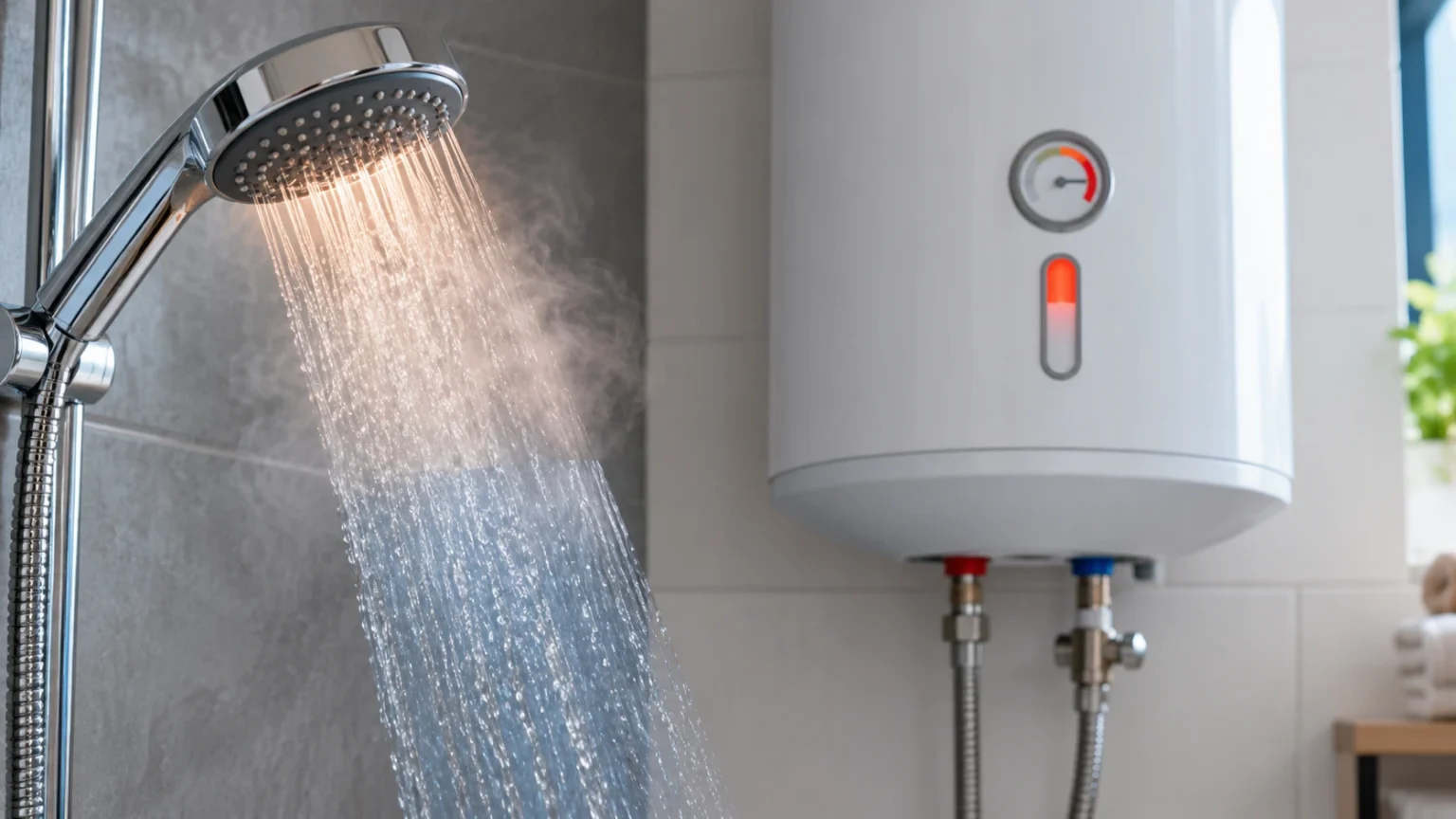
Running out of hot water can make everyday tasks frustrating. You may notice cold water during a shower, while washing dishes, or when filling a bath. This problem often happens when your water heater cannot meet your household’s demand. A small tank, sediment buildup, faulty heating parts, or heavy water use can all reduce your hot water supply.
Why Does My Hot Water Run Out? The answer usually depends on your water heater’s size, condition, and heating ability. Finding the cause helps you choose the right fix and avoid repeated problems.
What Are the Most Common Reasons Hot Water Runs Out?
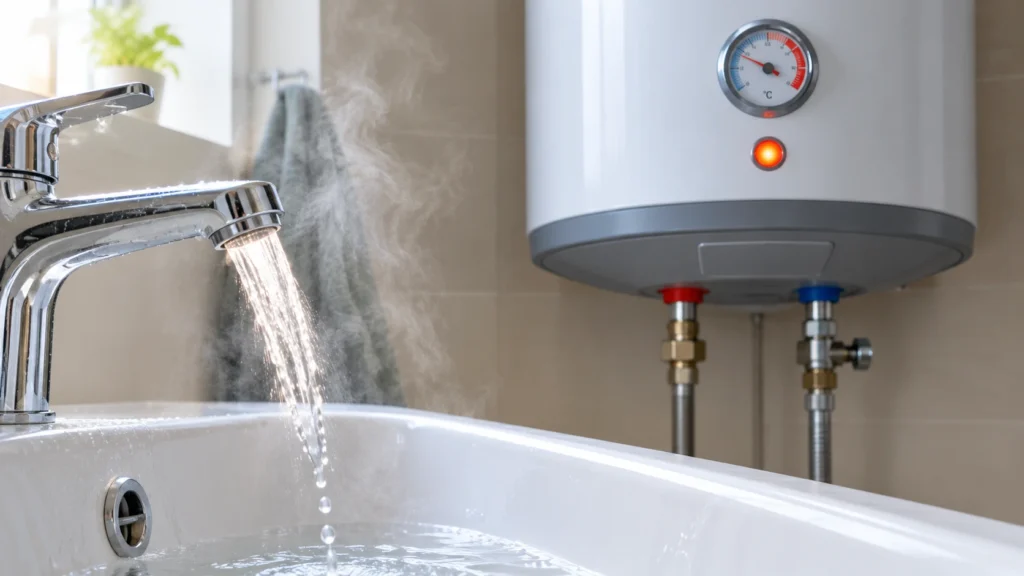
Several problems can reduce your home’s hot water supply. Some relate to daily water use, while others point to a damaged water heater.
Common causes include:
- Small water heater tank: The stored hot water cannot meet your household’s needs.
- Heavy water use: Several showers, washing machines, and dishwashers may run together.
- Sediment buildup: Minerals collect inside the tank and reduce its useful heating space.
- Faulty heating elements: Damaged elements cannot heat water properly in electric models.
- Incorrect thermostat settings: A low setting may cause water to feel cold sooner.
- Broken dip tube: Cold water may mix with hot water near the tank’s outlet.
If your hot water is running out fast, pay attention to how quickly the problem starts. This can help identify whether the issue involves demand or a faulty part.
How Does a Water Heater Run Out of Hot Water?
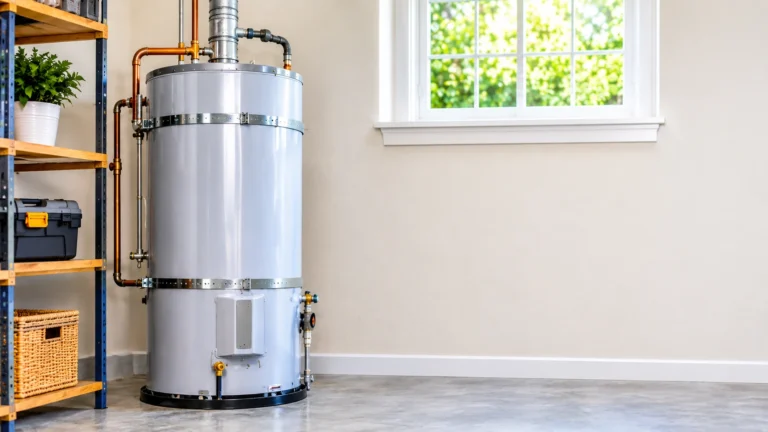
A traditional tank water heater stores a set amount of heated water. When you open a hot water tap, heated water leaves the tank. Cold water enters through the inlet to replace it. The heater then works to warm the incoming water. This process takes time, which is known as recovery time.
For example, imagine your household has a 40-gallon tank. Several long showers may use most of its available hot water. The next person may receive warm or cold water until the heater recovers. Tankless water heaters work differently. They heat water as it passes through the unit. However, an undersized unit may struggle when several fixtures need hot water together.
Can a Water Heater Tank Be Too Small?
Yes. A water heater that is too small is a common reason for an insufficient hot water supply.
Your tank should match your household’s daily needs. A home with one or two people usually needs less hot water than a home with five people.
Consider these factors when choosing a tank:
- Number of people living in your home.
- Number of bathrooms and showers.
- Frequency of laundry and dishwashing.
- Amount of hot water used during busy hours.
- The heater’s first-hour rating.
The first-hour rating shows how much hot water a heater can supply during its busiest hour. Check this rating before buying a replacement. If your bath runs out of hot water before it fills, your tank capacity may not match the amount of water needed. A larger tank or suitable tankless system may solve the problem.
Does Sediment Buildup Cause Hot Water to Run Out?
Yes. Sediment buildup can reduce a water heater’s performance over time. Minerals from hard water settle at the bottom of a storage tank. These minerals can form a layer that affects heat transfer. Your heater may need more energy and time to warm the water.
Common signs include:
- Popping or rumbling sounds from the tank.
- Hot water is running out sooner than usual.
- Longer heating times.
- Reduced heating performance.
A professional can inspect the tank and flush it when suitable. Follow the manufacturer’s maintenance instructions. Older tanks may need special care because flushing can reveal existing damage or leaks.
Can a Faulty Heating Element Cause Hot Water Problems?
Yes. Electric water heaters usually have two heating elements. One sits near the top, while the other sits near the bottom. The upper element heats water near the top of the tank. The lower element heats much of the remaining water. If either element fails, your heater may produce less hot water.
A damaged thermostat can also affect how the elements operate. You may notice lukewarm water, sudden temperature changes, or a shorter supply. Do not open electrical panels or test live components yourself. A qualified plumber or electrician can check the elements, thermostats, and power supply safely.
Why Does Hot Water Run Out Faster in Winter?
Cold weather can make your water heater work harder. Incoming water is often colder during winter, so the heater needs more time and energy to reach its set temperature. You may also take longer showers or use more hot water during colder months.
If your hot water supply drops during winter, try spacing out showers and laundry cycles. Check whether the heater is recovering normally after heavy use. Avoid raising the thermostat without checking the manufacturer’s guidance. Higher temperatures increase the risk of burns.
How Can You Stop Your Hot Water From Running Out?
A few practical changes can help improve your hot water supply.
- Space out water use: Avoid running several hot water appliances together.
- Check the heater’s size: Make sure its capacity matches your household’s needs.
- Schedule regular maintenance: Have the tank and heating parts inspected.
- Repair faulty components: Replace damaged elements, thermostats, or dip tubes when needed.
- Check for leaks: A leaking hot water pipe can waste heated water.
- Consider an upgrade: A larger tank or properly sized tankless heater may suit your needs better.
Never increase the temperature just to get more hot water without considering scald risks. A safe setting depends on the heater, household needs, and local guidance.
When Should You Call a Professional Plumber?
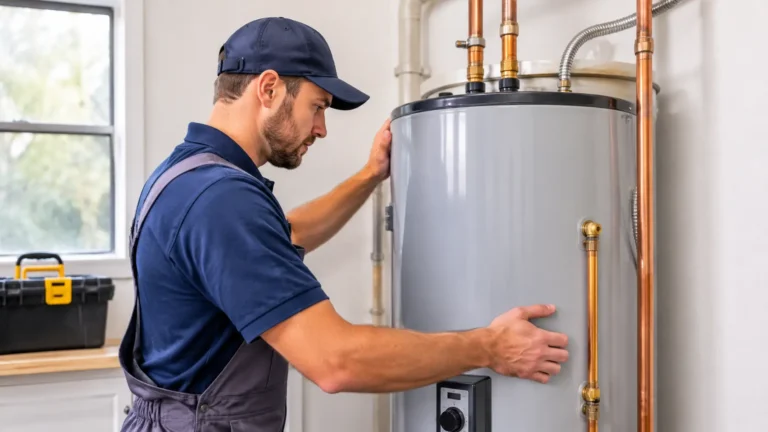
Call a plumber when the hot water heater keeps going out or stops heating properly. Professional help is important when the problem involves electrical parts, gas connections, leaks, or pressure controls.
Arrange an inspection if you notice:
- Water leaking around the heater.
- Rust-colored water from hot taps.
- Burning smells or electrical issues.
- Loud banging or repeated rumbling.
- Hot water that never returns to normal.
- A pressure relief valve that keeps releasing water.
If you notice a gas smell, leave the area and contact your gas provider or emergency service. Do not operate electrical switches nearby.
Homeowners looking for help can contact Plumber Carlsbad, CA through All About Drains And Plumbing for professional plumbing assistance. A qualified plumber can inspect the system, explain the cause, and recommend a suitable repair.
Conclusion
Running out of hot water can result from a small tank, heavy household use, sediment, or faulty heating parts. The right solution depends on the actual cause. Regular maintenance and proper water heater sizing can help prevent repeated problems.
If your hot water supply keeps dropping, arrange a professional inspection before the problem gets worse. Contact us today at All About Drains And Plumbing for help with water heater inspection and repair.
FAQs
Why does my hot water run out so fast?
A small tank, heavy water use, sediment buildup, or a faulty heating element can make hot water run out quickly.
Why does my bath run out of hot water before it fills?
Your water heater may not have enough stored hot water to fill the bath. A larger tank or a suitable replacement system may help.
How long does a water heater take to heat water again?
Recovery time depends on tank size, heater type, heating power, and incoming water temperature. Check your manufacturer’s specifications for an accurate estimate.
Can a water heater run out of hot water even when it is new?
Yes. A new heater can still be undersized, incorrectly installed, or set up with unsuitable temperature controls. A professional inspection can identify the issue.