
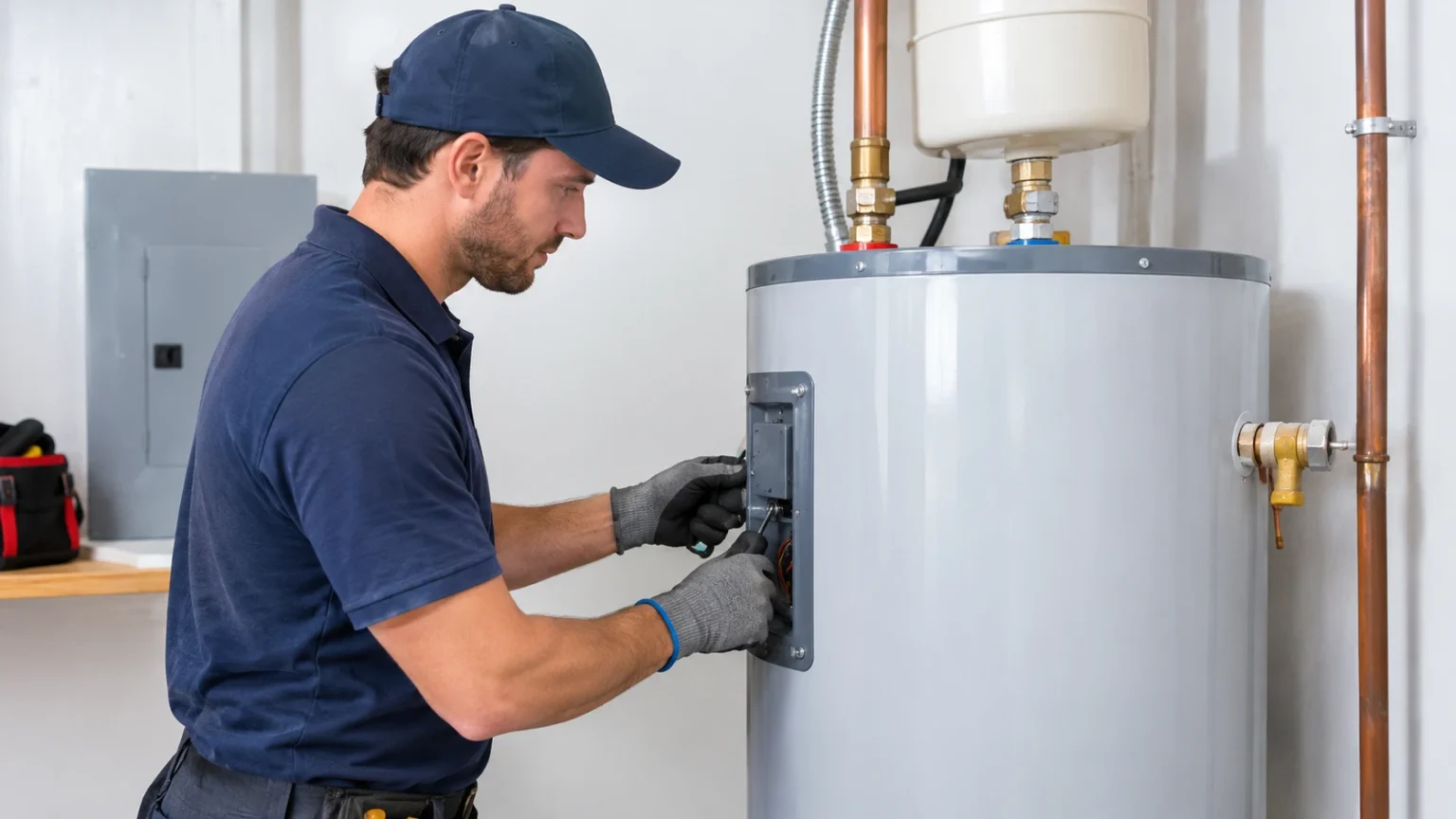
An electric water heater provides hot water for showers, laundry, and daily cleaning. Installing one correctly helps prevent leaks, electrical problems, and poor heating. The process involves preparing the location, connecting water lines, and meeting electrical safety rules. Each step matters because a small mistake can damage the unit or create safety risks.
If you want to know How to Install an Electric Water Heater, start by choosing the right unit and checking its requirements. The tank must be filled before power is restored. Electrical connections should meet local codes and be handled by a qualified professional.
What Do You Need Before Installing an Electric Water Heater?
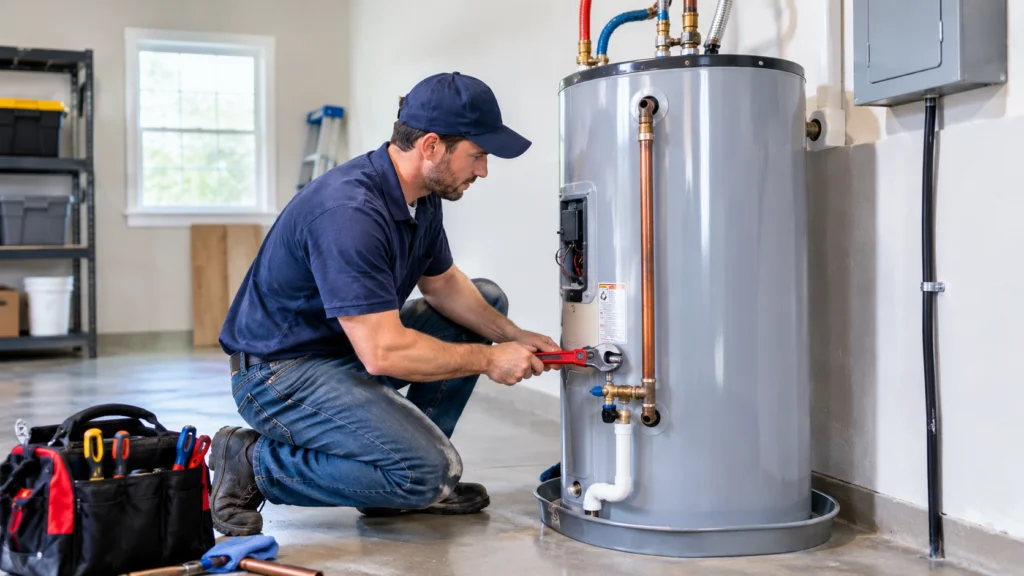
Good preparation makes electric water heater installation easier and safer. First, choose a unit that matches your household’s hot water needs.
Check these important details before starting:
- Tank size: Choose a capacity that can serve your household during busy periods.
- Available space: Measure the area and check the unit’s height and width.
- Electrical supply: Confirm the voltage, wattage, breaker, and wiring requirements.
- Water connections: Check the hot and cold water pipes and shutoff valve.
- Drain access: Make sure the tank can drain safely during maintenance.
- Manufacturer instructions: Review the installation guide and required clearances.
You may also need suitable pipe fittings, connectors, a drain hose, and basic plumbing tools. The exact materials depend on the heater and existing setup.
What Are the Requirements for Electric Water Heater Installation?
A safe installation needs more than connecting two water pipes. The electrical supply, safety parts, and plumbing must all match the heater’s specifications.
Important requirements include:
- Dedicated circuit: Most residential electric tank heaters need a dedicated circuit.
- Correct breaker: The breaker must match the unit’s electrical rating and local code.
- Proper wiring: Wire size and connections must meet the manufacturer’s instructions.
- Grounding: The unit must have proper electrical grounding.
- T&P relief valve: This valve protects the tank from unsafe pressure and temperature.
- Discharge pipe: The relief valve needs a correctly installed discharge line.
- Expansion tank: Some plumbing systems require one to manage pressure changes.
- Safe location: The floor must support the filled tank, with suitable access for service.
Never guess the breaker size or wire rating. A qualified electrician should verify the water heater electrical installation before the unit is powered.
Step-by-Step Guide to Installing an Electric Water Heater
Understanding how the work is completed helps homeowners follow the process. These steps describe a typical tank replacement. New installations may need extra plumbing, wiring, and permits.
1. Turn Off the Power and Water Supply
Switch off the water heater’s circuit breaker before any work begins. A qualified person should verify that the circuit is de-energized. Then close the cold water shutoff valve. Never rely only on the thermostat or control switch to make electrical work safe.
2. Drain and Remove the Old Water Heater
Allow the stored water to cool before draining the tank. Attach a garden hose to the drain valve and direct water to a safe drain. Open a hot water faucet to help air enter the tank.Once the tank is empty, a qualified installer can disconnect the plumbing and electrical connections. Remove the old unit carefully because it may still be heavy.
3. Prepare the Installation Area
Clean the space and inspect the floor for damage. The surface must support the full weight of the filled tank. Check that the drain, water pipes, and electrical supply are accessible. Also confirm that the new unit has the clearances listed in its manual.
4. Position the New Electric Water Heater
Move the new tank into place using suitable lifting equipment or help. Keep it upright and level according to the manufacturer’s instructions. Leave enough room to reach the valves, controls, and service panels. Avoid placing the unit where a future leak could damage nearby electrical equipment.
5. Connect the Water Supply Lines
Connect the cold water inlet and hot water outlet using approved fittings. Follow the labels on the heater and the manufacturer’s instructions. Install or check the cold water shutoff valve. Use suitable materials for the pipe type and local code. Connections should be secure, but avoid overtightening fittings. Once the system is filled, check every joint for leaks.
6. Install the Temperature and Pressure Relief Valve
The temperature and pressure relief valve, often called the T&P valve, is an important safety part. It releases water if temperature or pressure becomes unsafe. Install the correct valve as directed by the manufacturer. Its discharge pipe must follow local code and end at an approved location. Never cap, block, or plug this pipe.
7. Complete the Electrical Connections
The electrical connection must match the heater’s voltage, wattage, wiring diagram, and circuit rating. Proper grounding and approved fittings are also essential. A qualified electrician should complete or inspect this work. Do not connect wires based on guesswork or copy an old setup without checking the new unit’s requirements.
8. Fill the Tank Before Turning On the Power
This step is essential. Open the cold water supply and then open a nearby hot water faucet. Let the air escape until water flows steadily. Check the tank and pipe joints for leaks. The tank must be completely full before power is restored. Turning on an empty electric tank can burn out its heating elements.
9. Test the Water Heater
After the tank is full and the electrical work has been checked, the qualified professional can restore power. Set the thermostat according to the manufacturer’s guidance. Check for leaks, unusual sounds, and proper heating. Allow the unit time to heat the water. Confirm that the hot water reaches the taps as expected.
Common Mistakes to Avoid During Electric Water Heater Installation
Small installation mistakes can lead to costly repairs or safety risks. Avoid these common problems:
- Turning on power before filling the tank.
- Using the wrong breaker or wire size.
- Skipping proper electrical grounding.
- Blocking the T&P valve discharge pipe.
- Leaving water connections loose.
- Ignoring local permits or inspection rules.
- Installing a tank that is too small for the household.
Always follow the unit’s manual and local plumbing and electrical codes.
How Much Does Electric Water Heater Installation Cost?
The cost depends on the heater, labor, and condition of your existing setup. A simple replacement usually costs less than a new installation that needs extra work.
Common cost factors include:
- The price and size of the water heater.
- Professional plumbing and electrical labor.
- New pipes, valves, fittings, or wiring.
- Changes to the drain or installation area.
- Permit and inspection fees, where required.
Ask for an itemized estimate before work begins. This helps you understand what the quoted price includes.
How Long Does It Take to Install an Electric Water Heater?
A straightforward replacement often takes around two to four hours. The job may take longer if the installer needs to change pipes, wiring, or the drain setup.
A first-time installation can also require extra planning and inspection. The time needed to heat a full tank is separate from the installation time.
Should You Install an Electric Water Heater Yourself or Hire a Professional?
Some preparation, such as clearing the work area, may be suitable for homeowners. However, electrical connections, heavy tank removal, and safety valve installation need proper knowledge. Incorrect wiring can cause electric shock or fire. Poor plumbing connections can cause leaks and property damage. A qualified plumber and electrician can check the full system and follow local rules.
If you need expert help, All About Drains And Plumbing can help you explore professional options. You can also use Water Heater Installation In San Diego as an internal link to your relevant service page.
Conclusion
Installing an electric water heater requires careful planning, correct plumbing, and safe electrical work. Choosing the right tank, checking the connections, and filling it before restoring power are important steps.
Never take risks with wiring or safety parts. Professional installation helps protect your home and supports reliable hot water. Contact us today if you need help with your water heater installation.
FAQs
Can I install an electric water heater myself?
Some preparation may be suitable for homeowners. However, electrical work, plumbing connections, and safety parts should be handled by qualified professionals when required by local codes.
Does an electric water heater need a dedicated circuit?
Most residential electric tank water heaters need a dedicated circuit. The correct breaker and wire size depend on the unit’s voltage, wattage, and manufacturer instructions.
Should I fill an electric water heater before turning it on?
Yes. Fill the tank completely and let air escape through a hot water faucet before restoring power. This prevents the heating elements from burning out.
How long does it take to install an electric water heater?
A straightforward replacement often takes around two to four hours. New plumbing, wiring, or permit requirements can make the job take longer.
What size breaker does an electric water heater need?
The breaker size depends on the heater’s electrical rating and local code. Check the manufacturer’s instructions and have a qualified electrician confirm the correct size.
How much does it cost to install an electric water heater?
The cost depends on the unit price, labor, plumbing changes, electrical work, and permit fees. Request an itemized estimate for an accurate price.
What temperature should an electric water heater be set to?
Many homes use a setting near 120°F (49°C) to reduce scald risk and support everyday hot water needs. Follow the manufacturer’s instructions and consider household safety needs.