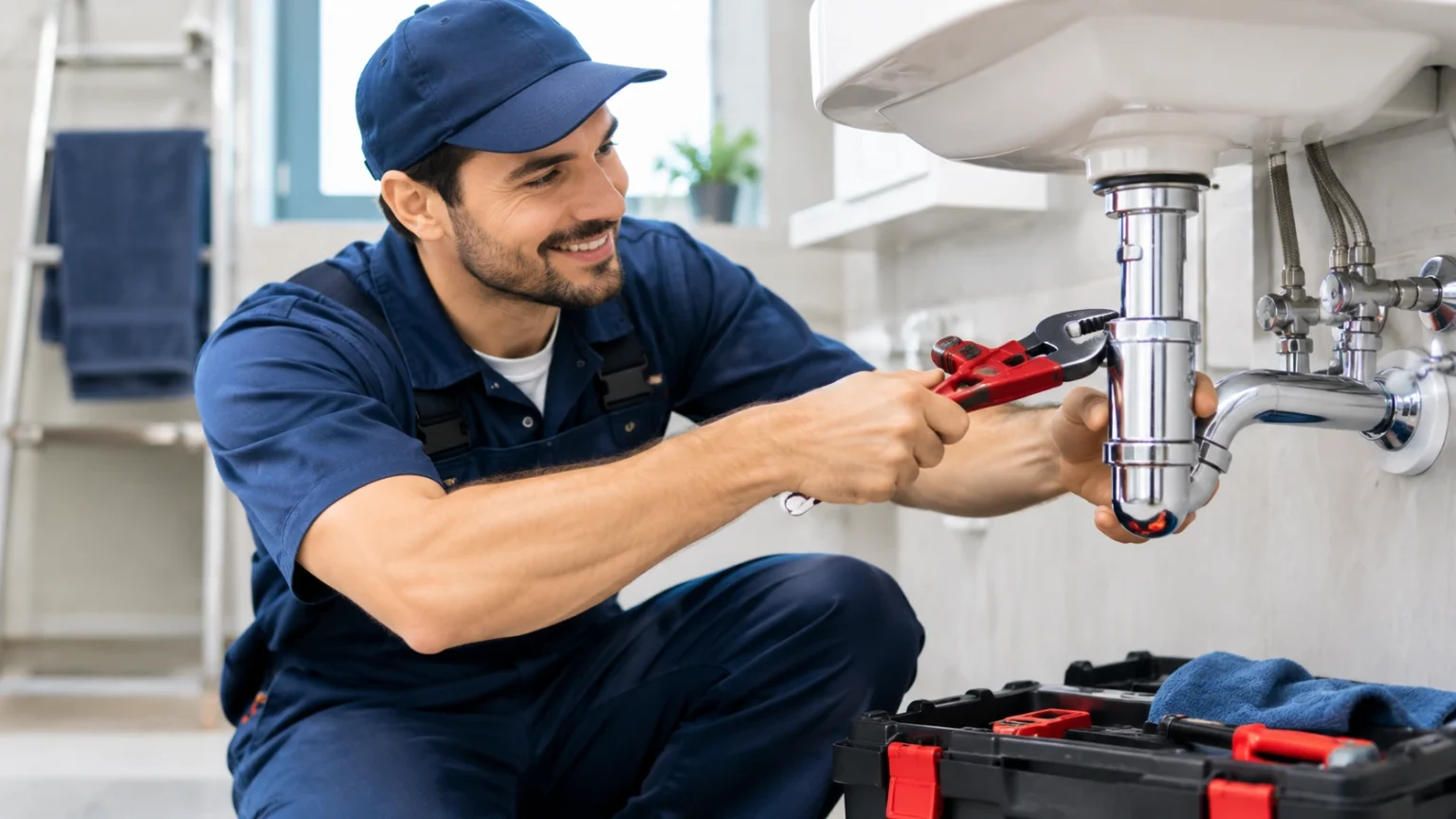
A good plumber does more than fix leaks, unclog drains, or install pipes. They understand plumbing problems, explain solutions clearly, and treat your home with care. Finding the right plumber can save you money, prevent repeat repairs, and protect your home from water damage.
If you are hiring someone for a small repair or a major plumbing job, knowing what to look for matters. The right skills, honest pricing, proper tools, and good customer service can make a big difference. A reliable plumber should solve your problem without making the process stressful or confusing.
What Are the Qualities of a Good Plumber?
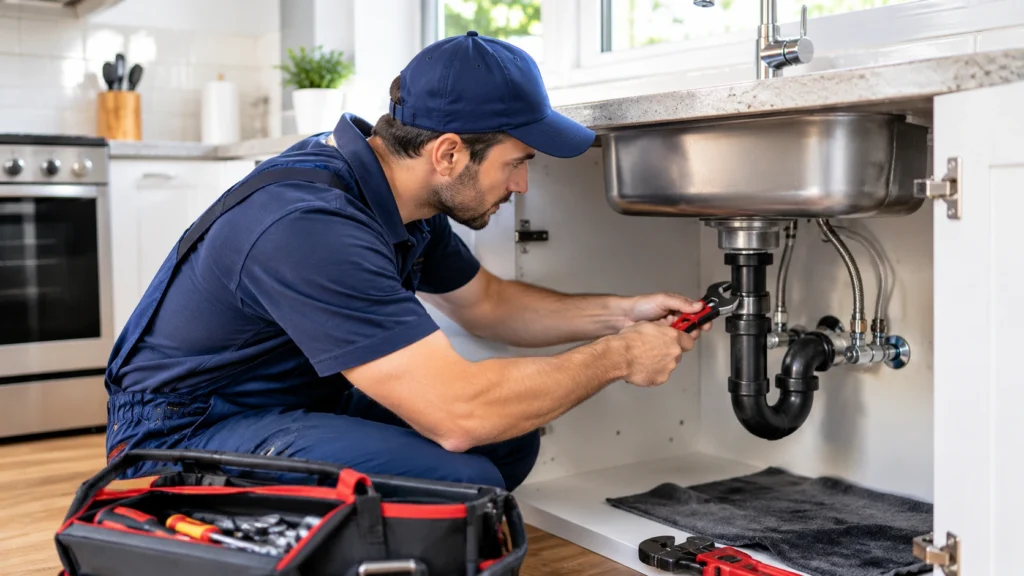
What Are the Qualities of a Good Plumber?
The best plumber has strong technical skills, practical experience, honesty, and patience. They know how to find the cause of a problem instead of making quick fixes that fail later. They also explain the work, respect your property, and give clear prices before starting.
The qualities of a good plumber go beyond knowing how pipes work. A skilled professional should be dependable, careful, easy to communicate with, and willing to answer your questions. These qualities help homeowners feel confident about the repairs being done.
1. Strong Plumbing Knowledge and Technical Skills
A good plumber understands how residential plumbing systems work. They know how water supply lines, drain pipes, toilets, faucets, water heaters, and sewer lines connect.
They can identify common problems and choose the right repair method. For example, a leaking pipe may need a new fitting, while low water pressure could come from a clogged aerator, faulty valve, hidden leak, or pipe buildup.
A skilled plumber does not guess without checking. They inspect the affected area, test the system, and explain what needs attention. Their knowledge helps prevent unnecessary repairs and protects your plumbing from further damage.
2. Experience Handling Different Plumbing Problems
Experience helps plumbers recognize problems faster and make better repair choices. A plumber who has handled different jobs knows that similar symptoms can have different causes.
For example, several slow drains may point to a main sewer line blockage. A single slow kitchen sink may have grease or food buildup inside its drain. Experience helps the plumber understand where to start checking.
Look for someone who has handled the type of work you need. Water heater installation, sewer line repairs, leak detection, and drain cleaning can require different skills. A plumber with relevant experience is more likely to complete the job correctly.
Why Is Communication Important When Hiring a Plumber?
Communication is one of the most important plumber skills and qualities. A professional should explain the problem in simple words without making you feel pressured or confused.
Before starting work, they should tell you:
- What caused the plumbing problem, if they can identify it.
- What repair or replacement work is needed.
- How much the job is expected to cost.
- How long the work may take.
- Whether additional problems could appear during repairs.
A good plumber also listens to your concerns. If you explain that a drain keeps clogging or a water heater makes unusual noises, they should take that information seriously. Clear communication helps you understand what you are paying for. It also reduces surprises when the repair is finished.
Should a Good Plumber Be Licensed and Insured?
Licensing and insurance are important when hiring a plumber. Licensing rules vary by state and city, so check the requirements in your area. A licensed plumber has met the required standards for certain types of plumbing work. Insurance is also important because plumbing work can sometimes cause property damage or injuries. Ask whether the plumber carries the proper coverage before hiring them, especially for larger jobs.
A professional should also follow local building and plumbing codes. This matters for water heater installations, pipe replacements, drainage work, and other repairs that may require permits or inspections. Do not feel uncomfortable asking for proof of licensing or insurance. A qualified plumber should understand why homeowners want to check these details.
How Does a Reliable Plumber Treat Customers?
A reliable plumber respects your home, time, and personal space. Good customer service is easy to notice from the first phone call until the job is complete.
Here are a few signs of a plumber who cares about their customers:
- Arrives on time: They respect your schedule and let you know if they are running late.
- Protects your home: They use care around floors, cabinets, walls, and personal belongings.
- Keeps the work area clean: They remove debris and leave the area tidy after the repair.
- Answers questions patiently: They explain the work without getting annoyed or using confusing terms.
- Respects your decisions: They give advice without pushing you into repairs you do not need.
These simple actions show professionalism. A plumber may be highly skilled, but poor customer service can make the entire experience frustrating.
What Makes a Plumber Trustworthy?
Trust is built through honesty, fair pricing, and consistent work. You should feel comfortable letting a plumber work in your home without worrying about unnecessary charges or poor repairs. A trustworthy plumber gives a clear estimate before starting the job. They explain what is included and mention possible extra costs if hidden damage is found. They should not change the price without discussing the reason with you.
Honesty also means admitting when a problem needs another specialist or a more detailed inspection. For example, a plumber may need a sewer camera to confirm whether a line has tree roots, a broken section, or a deep blockage. Look for a plumber who stands behind their work. Ask whether they offer a warranty on parts or labor. A written guarantee can help you understand what is covered if the repair fails.
Does a Good Plumber Use the Right Tools and Techniques?
Professional plumbing work requires the right tools for the job. A plumber should know how to use them safely and avoid damaging your pipes, fixtures, or property.
Common plumbing tools include:
- Pipe wrenches and adjustable wrenches for tightening or removing fittings.
- Drain snakes and augers for clearing blockages.
- Leak detection tools for locating hidden water leaks.
- Pressure gauges for checking water pressure.
- Inspection cameras for viewing sewer lines and drain pipes.
- Proper cutting, sealing, and fitting tools for pipe repairs.
Using the right tool is only part of the job. A good plumber also understands when to use a particular method. For example, using excessive force to clear a drain may damage older pipes. Choosing the correct approach can prevent extra costs and protect your plumbing system.
How Can You Tell If a Plumber Is the Right Choice?
Knowing what to look for in a plumber can help you avoid poor service. Do not base your decision on price alone. Compare their experience, reputation, communication, and the details of their estimate.
Before hiring, take a few minutes to:
- Read customer reviews: Look for repeated feedback about punctuality, repair quality, pricing, and customer service.
- Ask about similar jobs: Find out whether they have handled your type of plumbing problem before.
- Request a written estimate: Check labor, parts, service fees, and any possible extra charges.
- Check their credentials: Confirm licensing and insurance where required.
- Ask about warranties: Understand whether the repair comes with any workmanship or parts guarantee.
The best plumber is not always the one offering the lowest price. A fair price, quality workmanship, and clear service are better signs of value.
When Should You Avoid Hiring a Plumber?
Not every plumber offers the same level of service. Watch for warning signs before you agree to the work. Choosing the wrong person may lead to repeat problems, wasted money, or damage to your home.
Avoid hiring someone who:
- Refuses to explain the problem or repair method.
- Gives a price but will not explain what it includes.
- Pushes you into replacing parts without inspecting them.
- Has no verifiable credentials for work that requires them.
- Cannot provide references or a clear service history.
- Leaves you with unanswered questions about the repair or warranty.
If you need Plumbing Services In San Diego, choose a professional who offers clear estimates, proper repair methods, and dependable service. All About Drains And Plumbing believes homeowners should understand their plumbing problems and know what to expect before work begins.
Conclusion
A good plumber combines technical skills, experience, honesty, communication, and respect for your home. They inspect problems carefully, explain their findings, use the right tools, and provide fair estimates. These qualities help you avoid repeat repairs and make better choices for your plumbing system.
When comparing plumbers, focus on the qualities of a good plumber rather than choosing the cheapest option. Look for someone who understands your problem, answers your questions, and stands behind their work. Contact us today if you need help with a plumbing problem or want professional advice about your home’s plumbing system.
FAQs
What makes a plumber good at their job?
A good plumber has practical experience, strong technical skills, attention to detail, and good communication. They diagnose problems correctly, use suitable tools, and complete repairs safely.
What are the most important qualities of a professional plumber?
Honesty, reliability, plumbing knowledge, problem-solving skills, patience, and fair pricing are among the most important qualities. A professional should also respect your home and explain repairs clearly.
How do I know if a plumber is experienced?
Ask about similar jobs they have completed, check customer reviews, and look for proof of qualifications where required. A knowledgeable plumber should be able to explain how they plan to diagnose and repair your issue.
Should I choose a plumber based on price?
No. Compare estimates, but also consider experience, materials, warranties, and the quality of service. A cheap repair may cost more later if the problem returns.
What makes a good plumber different from an average plumber?
A good plumber finds the actual cause of the problem, communicates clearly, performs careful work, and takes responsibility for the repair. They focus on lasting solutions instead of temporary fixes.