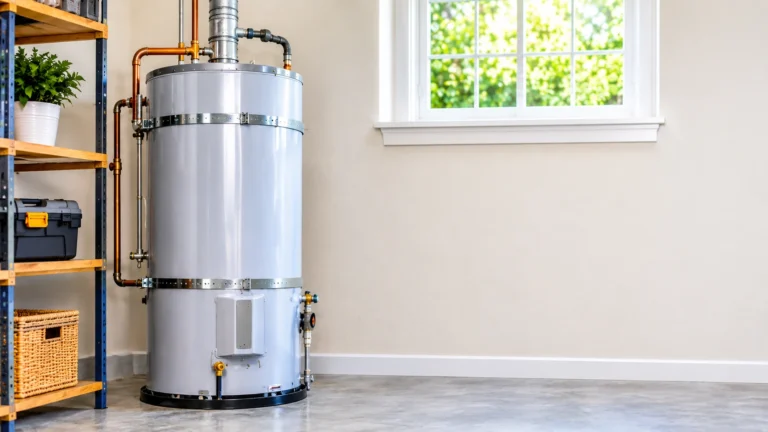
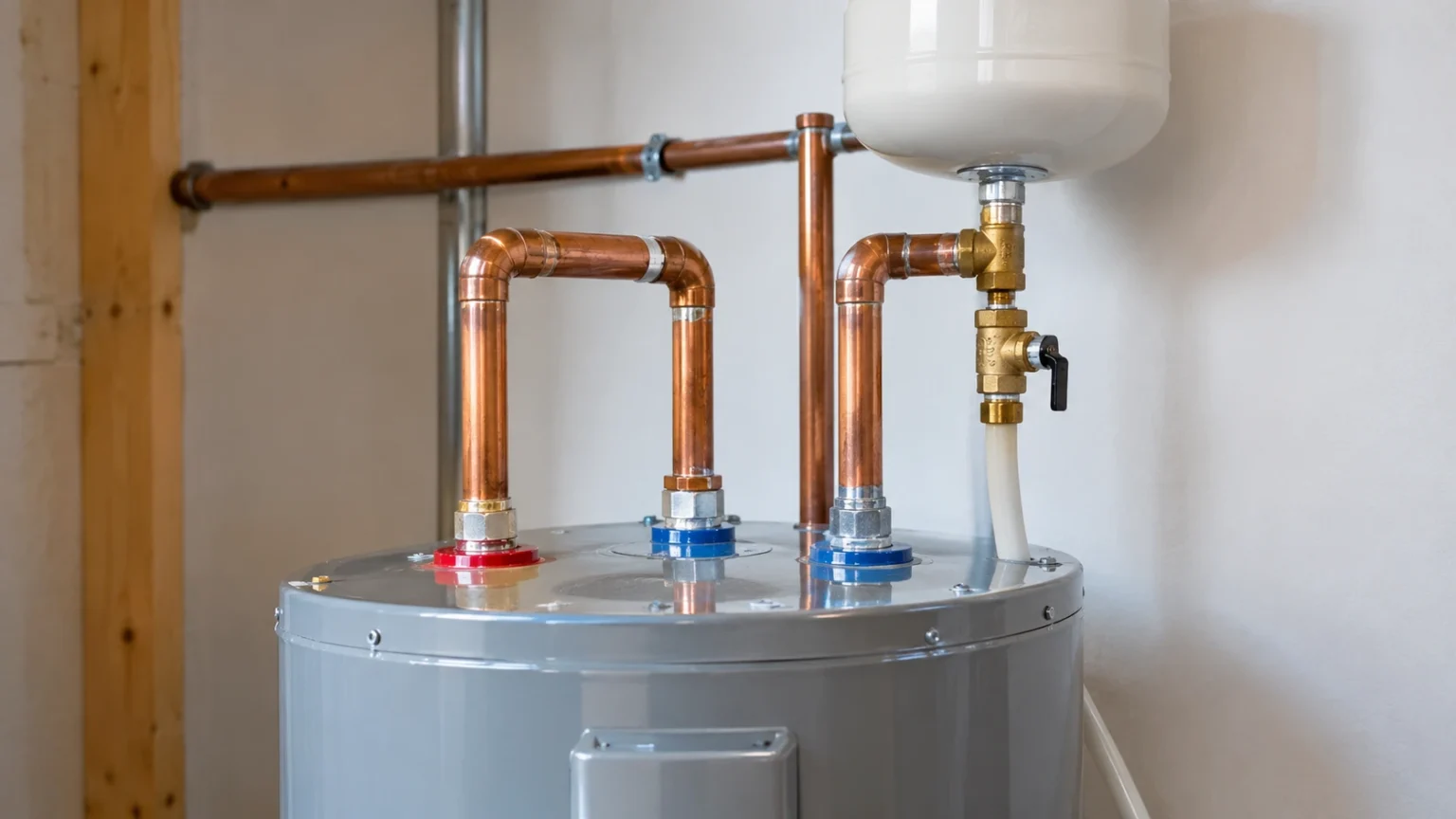
The third pipe on a water heater is often the temperature and pressure relief valve discharge pipe. It carries water away when the safety valve opens due to excess heat or pressure. However, the pipe’s purpose depends on where it connects to the heater. Some homes also have a drain line, condensate drain, or expansion tank connection.
If you are wondering, What Is the Third Pipe Leading to My Water Heater?, start by checking its connection and location. This guide explains how to identify the pipe, why it may leak, and when to call a plumber.
What Are the Three Pipes on a Water Heater?
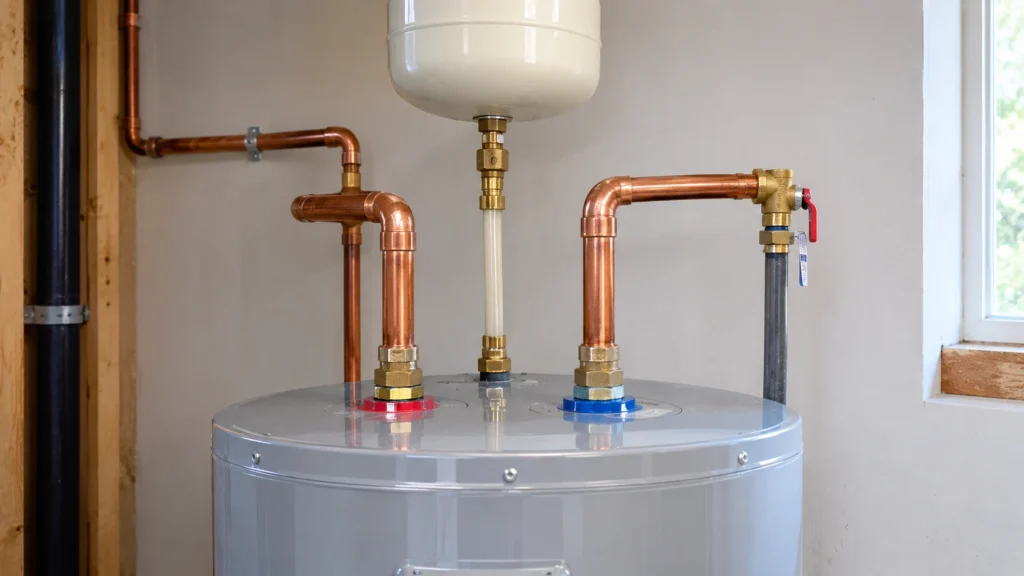
Most standard tank water heaters have two main water connections. Other pipes may serve safety, drainage, or pressure control needs. Understanding each connection helps you spot problems and avoid unsafe repairs.
- Cold-water inlet: This pipe brings cold water into the tank for heating.
- Hot-water outlet: This pipe carries heated water to your taps, showers, and appliances.
- Third pipe: This may be the temperature and pressure (T&P) relief valve discharge pipe, a tank drain line, or another connection.
The exact setup depends on your water heater type and plumbing system. Electric, gas, and tankless models may have different pipe layouts.
What Is the Third Pipe Leading to My Water Heater?
The third pipe is often the water heater pressure relief valve pipe, also called the T&P relief valve discharge pipe. Its job is to carry water away when the safety valve opens because the tank becomes too hot or the pressure gets too high.
A T&P relief valve is usually fitted near the upper part or side of a storage water heater. Its discharge pipe runs toward an approved drain or safe discharge point. The pipe helps direct hot water away from people if the valve opens.
This pipe is a key safety feature, not an extra water supply line. Never cap it, block it, or remove it to stop a leak.
However, not every third pipe serves this purpose. A pipe near the tank’s bottom may be connected to the drain valve. A pipe from an expansion tank may also be part of the plumbing system.
How to Identify the Third Pipe
You can often identify the pipe by checking where it begins and where it leads. Do not remove fittings or operate the relief valve to test it.
Look for these common signs:
- T&P relief valve pipe: Connects to a safety valve near the upper side or top of many tank heaters.
- Tank drain line: Connects to a drain valve near the bottom of the tank.
- Expansion tank connection: Links the cold-water supply line to a small tank mounted above or near the heater.
- Condensate drain: May carry water away from certain high-efficiency gas or tankless models.
Check your owner’s manual if the pipe’s purpose is unclear. Pipe color or material alone cannot confirm its function. If you see water dripping from a pipe, avoid touching it because the water may be hot.
Why Is Water Coming Out of the Third Pipe?
Water coming from the third pipe may mean the safety valve has opened. The cause depends on how much water escapes and how often it happens.
Common causes include:
- High water pressure: Excess pressure can cause the relief valve to open.
- Excessive heat: Water that gets too hot can raise pressure inside the tank.
- Thermal expansion: Water expands as it heats. In a closed plumbing system, this extra volume can increase pressure.
- A worn valve: A damaged valve may drip even when the pressure and temperature are within normal limits.
- A faulty thermostat: A control problem can cause some heaters to overheat.
For example, a pipe that releases water during every heating cycle may point to thermal expansion or a pressure problem. A steady flow of very hot water needs urgent attention.
Do not assume the valve itself is faulty. A plumber can test the water pressure and check the heater controls before recommending repairs.
Is It Normal for the Water Heater Discharge Pipe to Leak?
A small amount of water may appear when a relief valve opens, but repeated dripping should not be ignored. The discharge pipe should not leak continuously during normal operation.
Use these signs to judge the situation:
- Occasional discharge: The system may be experiencing pressure changes that need checking.
- Repeated dripping: The valve may be worn, or pressure may be too high.
- Continuous flow: Turn off the heater’s energy supply if you can do so safely, and seek urgent plumbing help.
- Very hot water or steam: Stay clear of the discharge point and get professional help immediately.
Never touch the discharge water to check its temperature. Do not place your hand over the pipe or try to tighten the valve while the system is hot.
If the pipe is leaking, do not block it to keep water off the floor. The discharge may be warning you about a safety issue.
What Is a Water Heater Expansion Tank Pipe?
A water heater expansion tank pipe connects the plumbing system to a small tank that helps manage pressure. This is different from the T&P relief valve discharge pipe. When water heats up, it expands. In a closed plumbing system, a backflow preventer or check valve may stop that expanded water from flowing back into the main supply. An expansion tank provides space for the extra volume.
The expansion tank usually connects to the cold-water supply near the water heater. It does not replace the pressure relief valve, and both parts must work properly. If you notice a pipe leading to a small tank above the heater, it may be the expansion tank connection. Check the equipment manual or ask a plumber if you are unsure.
Can You Cap or Remove the Third Pipe?
No. Never cap, plug, or obstruct a T&P relief valve discharge pipe. The valve protects the tank from dangerous temperature and pressure levels. Blocking its outlet can prevent hot water and pressure from escaping when needed. Removing the pipe can also expose people to scalding water. It may violate local plumbing rules and the heater manufacturer’s instructions.
If the pipe drips, do not seal it with tape, a cap, or a valve. The right fix is to find and correct the cause of the discharge.
When Should You Call a Plumber?
Call a qualified plumber if the third pipe leaks repeatedly, releases a steady stream, or has an unclear connection. Get urgent help if you notice steam, very hot discharge, or signs of overheating.
A plumber can inspect the relief valve, check water pressure, assess the expansion tank, and test the heater’s controls. They can also confirm whether the pipe meets the manufacturer’s instructions and local plumbing codes.
If you need help with your water heater, our Water Heater Installation Service Carlsbad can help you get the right support. At All About Drains And Plumbing, we’re here to help you address plumbing issues safely and effectively. Avoid repairing a hot or pressurized water heater yourself.
Conclusion
If you are asking, What Is the Third Pipe Leading to My Water Heater?, it is often the T&P relief valve discharge pipe. However, the exact purpose depends on where the pipe connects. It could also be a drain line or an expansion tank connection.
Never block a safety pipe or ignore repeated leaks. Check the heater’s manual and contact a qualified plumber if you cannot identify the pipe. Contact us today to discuss your water heater plumbing concerns with All About Drains And Plumbing.
FAQs
What is the third pipe on a water heater?
It is often the T&P relief valve discharge pipe. However, it may be a drain line or another plumbing connection, depending on the heater’s design.
Why is water dripping from my water heater’s third pipe?
Common causes include high pressure, thermal expansion, overheating, or a worn relief valve. A plumber can identify the cause and recommend the correct repair.
Can I cap the water heater pressure relief valve pipe?
No. Blocking the pipe can prevent the safety valve from releasing hot water and pressure. Keep the discharge path clear and have leaks inspected.
Is the expansion tank pipe the same as the relief valve pipe?
No. The expansion tank connection helps manage pressure changes as water heats. The relief valve pipe carries discharge away when the safety valve opens.
When should I replace a water heater relief valve?
Replacement may be needed if the valve is damaged, worn, or continues to leak after the underlying pressure problem is corrected. A plumber should inspect it first.