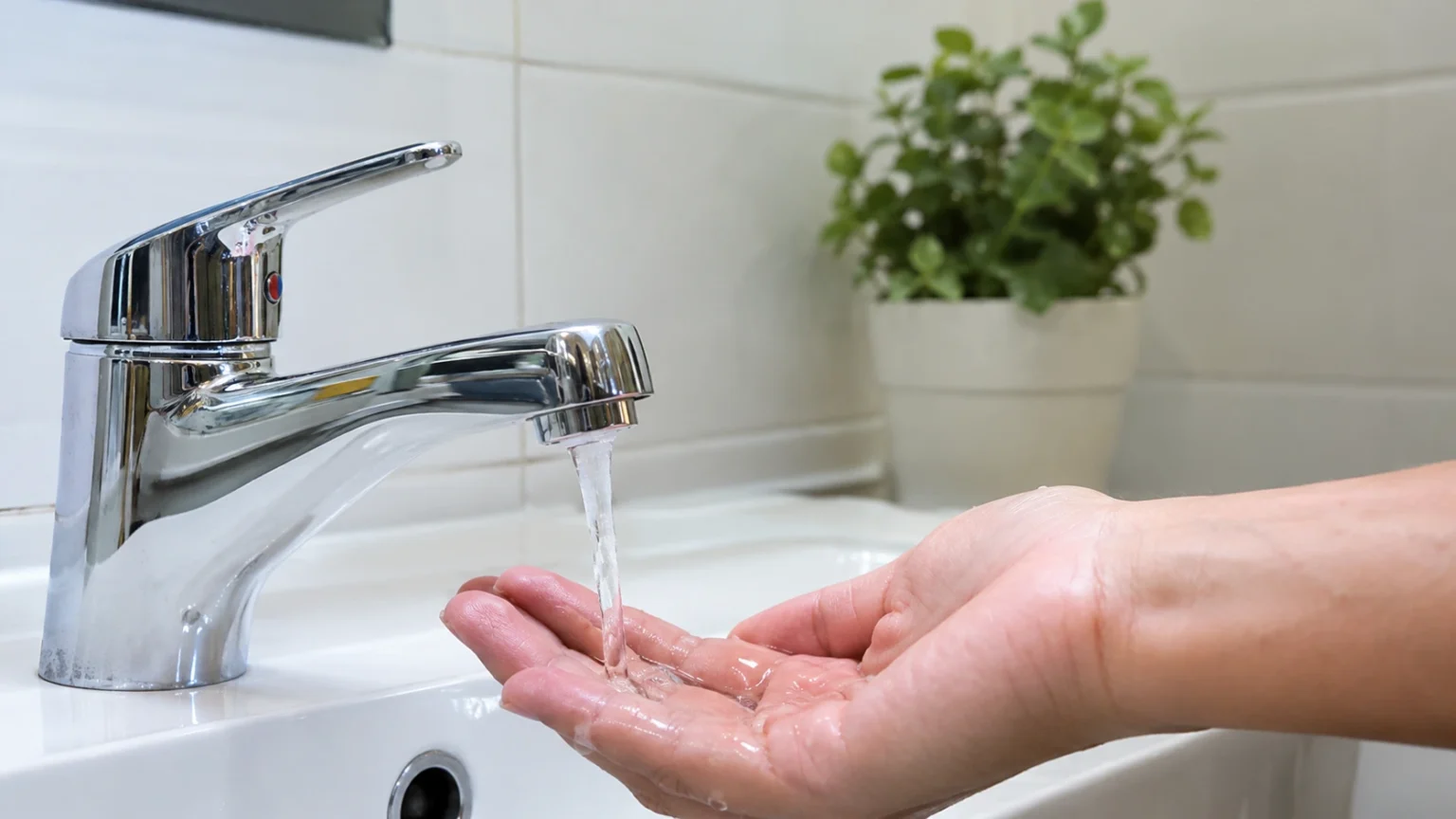
Low water pressure can make simple tasks frustrating. You may notice weak shower flow, slow-filling sinks, or water that barely comes from your faucets. These problems can affect one fixture or your entire home. Finding the cause early helps you avoid bigger plumbing issues and wasted water.
Why Is My Water Pressure Low? Common causes include clogged pipes, hidden leaks, closed valves, faulty pressure regulators, and problems with the water supply. The right fix depends on where the pressure drops and when it happens.
What Is Considered Low Water Pressure?
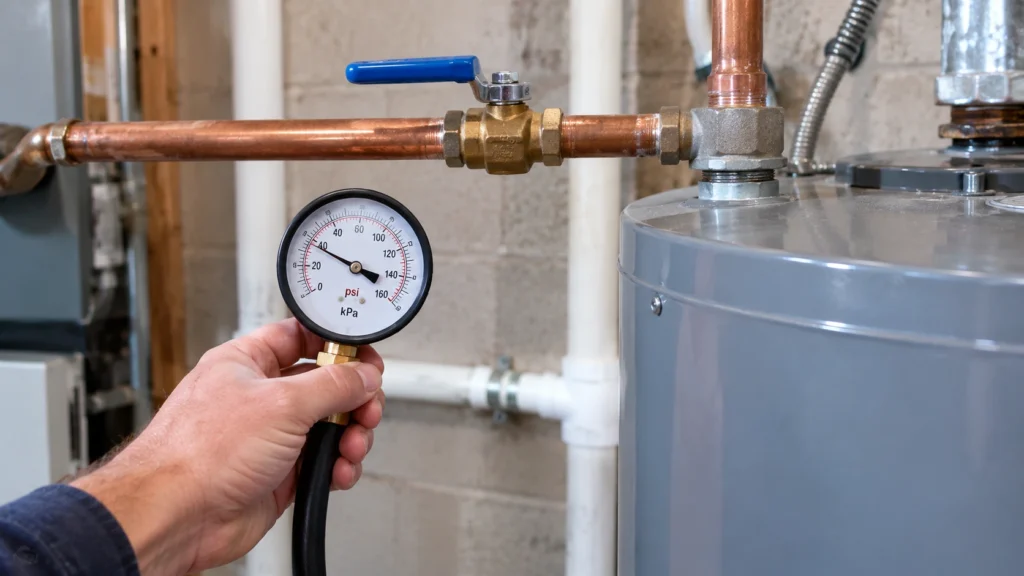
Water pressure is the force that pushes water through your home’s pipes and fixtures. Most homes have a normal water pressure range of 40 to 60 PSI (pounds per square inch). This range usually provides enough force for showers, sinks, toilets, and other water fixtures.
Pressure below 40 PSI may cause weak water flow. You might notice that your shower takes longer to rinse soap or your washing machine fills slowly. Water pressure above 80 PSI is also a concern because it can put extra stress on pipes, valves, and appliances.
You can check your home’s pressure with a water pressure gauge. Attach it to an outdoor hose connection or another suitable threaded tap. For a useful reading, make sure other water fixtures are turned off. If the reading stays below 40 PSI, your home may have a pressure problem.
Why Is My Water Pressure Low? (Common Causes)
Several plumbing problems can reduce water pressure. Here are the most common causes homeowners should understand.
1. Clogged Pipes
Minerals, rust, and other debris can collect inside water pipes over time. This buildup makes the space inside the pipes smaller and restricts water flow. Older metal pipes are more likely to develop this problem.
You may notice weak pressure in several rooms, even when the faucets are fully open. A plumber can inspect the pipes and decide whether cleaning or replacement is needed.
2. Leaking Water Pipes
A damaged pipe can allow water to escape before it reaches your faucets. This can reduce pressure and increase your water bill. Hidden leaks may occur behind walls, under floors, or in underground water lines.
Look for damp spots, peeling paint, mold, or unexplained wet areas. If you suspect a leak, turn off water-using appliances and check whether your water meter continues moving.
3. Partially Closed or Faulty Water Valve
Your main water shut-off valve controls water entering your home. If it is partly closed, less water can pass through the plumbing system. This may cause weak flow at several fixtures.
So, can a bad valve cause low water pressure? Yes. A worn, damaged, or partly blocked valve can restrict water flow. Check that the main valve is fully open, but do not force it if it feels stuck or damaged. Ask a plumber to inspect it.
4. Faulty Pressure Regulator
Some homes have a pressure-reducing valve that controls incoming water pressure. If this device becomes worn or stops working, your water pressure may drop or change without warning.
A faulty regulator can affect the whole house. A plumber can test the device and adjust or replace it when needed.
5. Problems With the Municipal Water Supply
Sometimes the problem is outside your home. Water main repairs, supply interruptions, or high demand in your area can reduce pressure. Ask your neighbors whether they have noticed the same issue.
If several nearby homes have weak water flow, contact your local water supplier. The problem may not require repairs to your home’s plumbing.
6. Corroded Plumbing Pipes
Old steel or galvanized pipes can rust from the inside. As corrosion grows, it narrows the path that water uses to travel. This can cause poor flow, rusty water, and repeated plumbing problems. A plumber can check the pipe condition and recommend replacement if corrosion is severe.
7. Clogged Faucets and Showerheads
If only one faucet or shower has weak pressure, the fixture may be blocked. Small mineral deposits can collect in faucet aerators and showerhead holes. Remove the aerator or showerhead if it is safe to do so. Clean away visible buildup and rinse the parts before putting them back. If other fixtures work normally, this simple fix may solve the problem.
Why Is My Water Pressure Suddenly Low?
A sudden pressure drop often points to a recent change or a new plumbing problem. A burst or leaking pipe, partly closed valve, faulty pressure regulator, or water supply issue can cause the change. Pay attention to where the problem occurs. If only one faucet has weak flow, check its aerator or shut-off valve. If every faucet has low pressure, inspect the main valve and contact your water supplier.
If you see flooding, hear water running behind a wall, or notice a sudden rise in your water bill, treat the issue seriously. Shut off the main water supply if safe and arrange a plumbing inspection.
How to Fix Low Water Pressure
The right solution depends on the cause. Try these basic checks before arranging a repair:
- Clean faucet aerators: Remove mineral deposits and debris that block water flow.
- Check the main valve: Make sure it is fully open and not damaged.
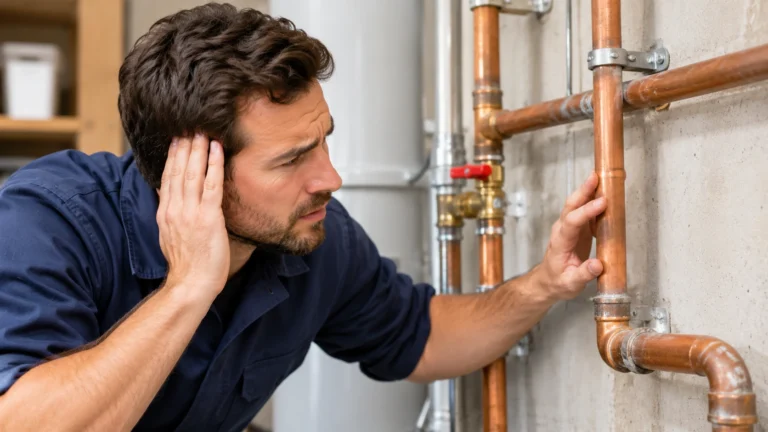
- Inspect visible pipes: Look for leaks, rust, damp areas, or damaged connections.
- Test water pressure: Use a pressure gauge to check whether your home’s pressure is below 40 PSI.
- Ask your neighbors: Find out whether the issue affects nearby homes too.
- Arrange a plumbing inspection: Have a plumber check hidden leaks, clogged pipes, and pressure regulators.
Avoid using strong chemicals to clear plumbing problems. They may damage pipes and will not fix leaks or faulty valves.
When Should You Call a Professional Plumber?
Call a professional when low pressure affects several fixtures, keeps returning, or has no clear cause. You should also seek help if you notice leaking pipes, rusty water, damaged valves, or signs of hidden water damage.
A sudden loss of pressure across your home needs attention, especially when water is leaking or the pipes make unusual sounds. A plumber can test the system, locate the problem, and recommend a safe repair.
If you need expert help, All About Drains And Plumbing provides professional Plumbing Services in San Diego to help homeowners deal with plumbing and water flow problems.
How Can You Prevent Low Water Pressure?
Regular care can help prevent many pressure problems. Follow these simple steps:
- Check visible pipes and connections for leaks.
- Clean faucet aerators and showerheads when buildup appears.
- Have old or corroded pipes inspected.
- Keep the main water valve in good working condition.
- Test your home’s water pressure from time to time.
- Arrange regular plumbing inspections to find small problems early.
Do not ignore changes in water flow. Fixing a small issue early can help prevent costly repairs later.
Conclusion
Low water pressure can come from clogged pipes, leaks, faulty valves, old plumbing, or problems with the public water supply. Start by checking whether one fixture or the whole house is affected. Simple cleaning may solve a small blockage, but hidden leaks and damaged parts need professional care.
All About Drains And Plumbing can help you find the cause and choose the right repair. Contact us today if you need professional plumbing assistance in San Diego.
FAQs
What does low water pressure mean?
Low water pressure means water is not flowing through your pipes with enough force. It can make showers, faucets, and appliances work more slowly than usual.
What does it mean when the water pressure is low throughout the house?
It may point to a partly closed main valve, leaking pipe, faulty pressure regulator, clogged main line, or a problem with the local water supply.
Can a bad valve cause low water pressure?
Yes. A damaged or partly closed valve can restrict water flow. A plumber can inspect the valve and repair or replace it if needed.
Why is my water pressure low in only one faucet?
A clogged aerator, blocked fixture, or partly closed shut-off valve may be responsible. Clean the faucet aerator first and check whether the pressure improves.
What is normal water pressure for a house?
Most homes have water pressure between 40 and 60 PSI. Pressure below 40 PSI may cause weak flow, while pressure above 80 PSI can damage plumbing parts and appliances.