A blocked main sewer line can cause slow drains, bubbling toilets, bad smells, and sewage backups. These problems often affect several plumbing fixtures at once. Unlike a simple sink clog, a sewer line blockage can stop wastewater from leaving your home. Ignoring these warning signs can lead to water damage, health risks, and costly repairs.
How Can You Tell If Your Main Sewer Line Is Blocked? Look for multiple slow drains, water backing up in tubs or toilets, gurgling sounds, and sewage odors. These signs often point to a blockage that needs professional attention.
What Is a Main Sewer Line and How Does It Work?
Your main sewer line is the large drain pipe that carries wastewater away from your home. It connects smaller drain pipes from toilets, sinks, showers, bathtubs, and other fixtures. When you flush a toilet or use a sink, wastewater flows through smaller pipes into the main sewer line. It then travels to a public sewer system or your private septic system.
A clear sewer line allows wastewater to leave your property without trouble. However, grease, tree roots, waste, or pipe damage can block this flow. When the main line becomes clogged, wastewater may struggle to leave your home. It can also push back through lower drains, toilets, and floor drains.
What Causes a Main Sewer Line to Become Blocked?
Several problems can stop wastewater from flowing through your main sewer line. Understanding these causes can help you avoid future plumbing trouble.
1. Tree Roots Inside Sewer Pipes
Tree roots naturally grow toward moisture. Small cracks or loose pipe joints can allow roots to enter underground sewer lines. As roots grow, they catch waste and reduce water flow.
2. Grease and Oil Buildup
Pouring cooking grease, fat, or oil down kitchen drains can cause serious blockages. These materials cool and stick to pipe walls. Over time, they collect food scraps and other waste.
3. Flushing Items That Do Not Break Down
Paper towels, wet wipes, cotton products, and hygiene items can collect inside sewer pipes. Even products labeled flushable may cause clogs because they break down slowly.
4. Hair and Soap Buildup
Hair and soap can collect inside drain pipes. Although these usually cause smaller clogs, they can add to an existing blockage in older plumbing systems.
5. Broken or Aging Sewer Pipes
Old pipes may crack, shift, or collapse due to soil movement, corrosion, or age. A damaged pipe can restrict wastewater flow and allow dirt or roots inside.
What Are the Common Signs of a Main Sewer Line Clog?
Recognizing the warning signs early can help prevent sewage damage. Here are the most common signs of main sewer line clog problems homeowners should watch for.
1. Multiple Drains Are Slow
One slow sink usually points to a local drain clog. However, several slow drains in different rooms may indicate a main sewer line problem.
For example, your kitchen sink, bathroom shower, and bathtub may all drain slowly. This happens because wastewater cannot move freely through the shared sewer pipe.
2. Toilets Make Gurgling Sounds
Bubbling or gurgling sounds from toilets can indicate trapped air inside the drain system. You may hear these noises after flushing or running water elsewhere.
If your toilet bubbles when someone uses the shower, the main sewer line may have a blockage.
3. Water Backs Up Into Tubs or Showers
Water backing up into a bathtub or shower after flushing the toilet is a serious warning sign. These fixtures often sit lower than other household drains. When wastewater cannot pass through the main line, it may return through the lowest available drain opening.
4. Sewage Smells Around Your Home
A strong sewage smell near toilets, floor drains, or outside cleanouts may point to a plumbing problem. Sewer gases should normally stay inside sealed pipes. Persistent odors deserve attention, especially when they appear with slow drains or gurgling sounds.
5. Frequent Drain Clogs
Do your drains keep getting blocked after cleaning? Repeated clogs may mean the problem is deeper than one sink or shower. If the same issue affects several fixtures, have the main sewer line checked.
6. Wet Spots in Your Yard
Unusual wet patches, standing water, or unusually green grass above a sewer pipe may indicate a leak. A damaged underground pipe can release wastewater into the surrounding soil. These symptoms do not always mean a blockage, but they need a proper inspection.
How Is a Main Sewer Line Blockage Diagnosed?
Finding the exact cause of a sewer blockage requires more than checking one drain. A professional plumber uses several methods to locate the problem.
1. Checking the Drain System
The plumber checks toilets, sinks, showers, and floor drains. This helps identify which fixtures are affected and whether the problem involves the main line.
2. Sewer Camera Inspection
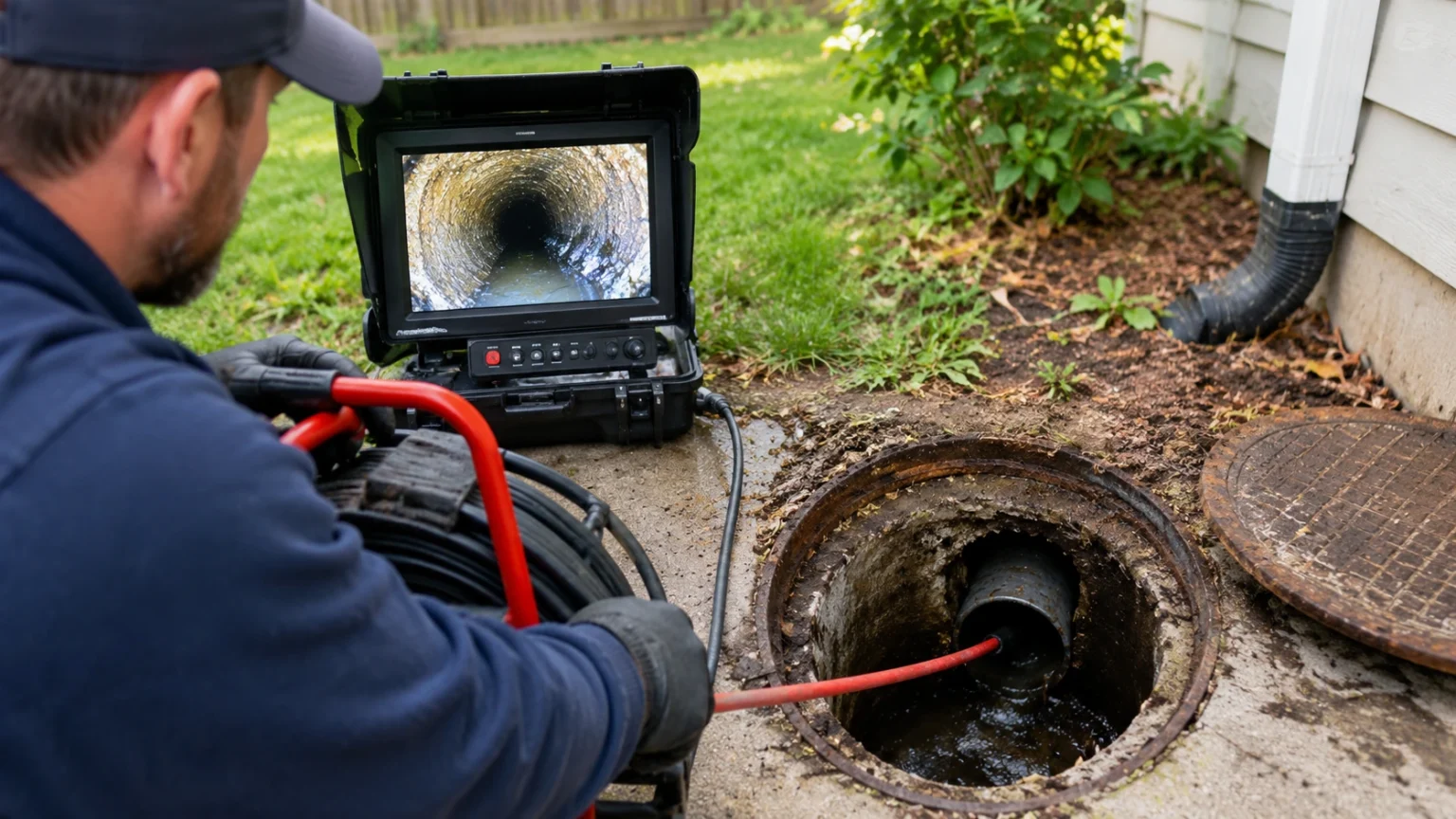
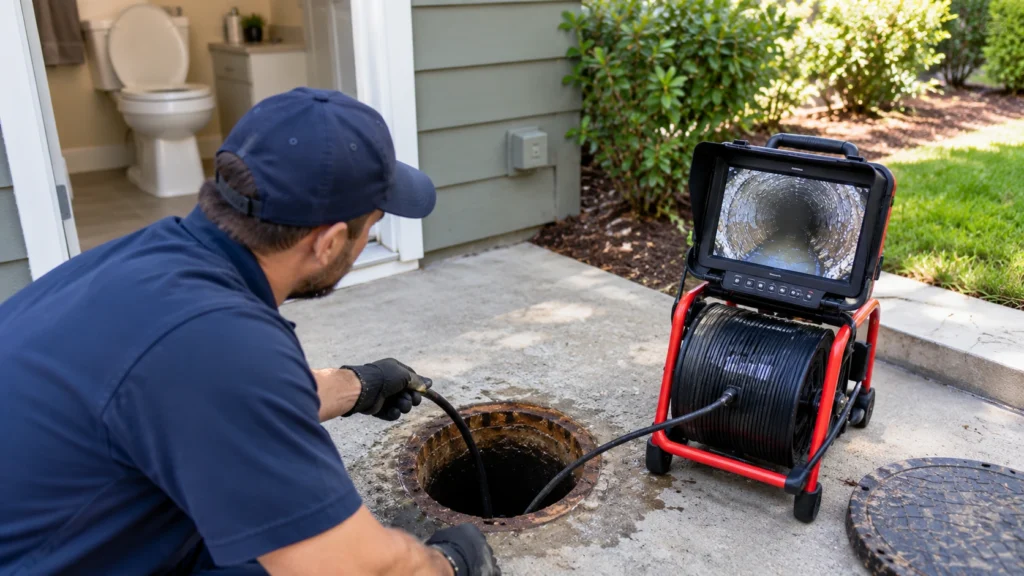
A sewer camera is one of the most useful tools for finding hidden pipe problems. The plumber sends a small waterproof camera through the sewer pipe. The camera shows grease buildup, tree roots, cracks, and other damage. It also helps locate the blockage without digging up your yard.
3. Checking the Sewer Cleanout
A sewer cleanout is an access point connected to the main drain pipe. A plumber can use it to check wastewater flow and access the line for cleaning. If your sewer line is stopped up, this inspection can help confirm where the problem exists.
What Should You Do If Your Main Sewer Line Is Blocked?
A sewer backup needs quick attention. Taking the right steps can reduce damage and protect your household.
- Stop using water: Avoid running washing machines, dishwashers, showers, and sinks.
- Avoid flushing toilets: Repeated flushing can push more wastewater into your home.
- Keep away from sewage: Raw sewage contains harmful germs. Keep children and pets away from affected areas.
- Avoid chemical drain cleaners: These products may damage some pipes and create safety risks.
- Contact a plumber: A professional can inspect the line and choose the right cleaning method.
Never try to open a sewer cleanout yourself if wastewater is under pressure. Sewage can spill out and create a serious mess.
How Can You Prevent Future Main Sewer Line Blockages?
Regular care can help keep your sewer system in good shape. Follow these simple habits to reduce the risk of another blockage.
Dispose of Grease Properly: Let cooking grease cool before placing it in the trash. Never pour oil or fat into kitchen drains.
Flush Only Toilet Paper: Keep wipes, paper towels, cotton pads, and hygiene products out of toilets. These items can collect inside sewer pipes.
Watch What Goes Down Your Drains: Use drain covers to catch hair and food scraps. Clean them often to prevent buildup.
Schedule Sewer Inspections: Older homes and properties with large trees may need regular pipe checks. A camera inspection can find early signs of root growth or pipe damage.
Fix Small Problems Early: Do not ignore repeated clogs, bad smells, or unusual plumbing noises. Early repairs can prevent larger sewer problems.
When Should You Call an Emergency Plumber?
Some plumbing problems need immediate professional help. Call an emergency plumber if you notice any of these situations:
- Sewage is coming back through toilets, tubs, or floor drains.
- Several drains stop working at the same time.
- Wastewater is spreading across your bathroom or basement floor.
- Strong sewage odors appear with visible leaks or backups.
- You suspect a broken or collapsed underground sewer pipe.
If you notice these problems, stop using your plumbing system until it has been checked. Avoid direct contact with wastewater and keep the affected area clear.
If you need help with a serious sewer problem, All About Drains And Plumbing can help you understand your plumbing needs. Homeowners looking for a reliable Plumbing Service In San Diego should arrange a professional inspection rather than risk further damage.
Prompt service can help identify the cause and prevent more wastewater from entering your home. Contact us today to discuss your plumbing concerns.
Conclusion
A blocked main sewer line can cause more than one slow drain. Watch for gurgling toilets, sewage odors, repeated clogs, and wastewater backing up into tubs or showers.
Knowing How Can You Tell If Your Main Sewer Line Is Blocked? helps you recognize trouble before it causes serious damage. Do not ignore warning signs or rely on chemical cleaners to solve deeper problems.
A professional inspection can find the blockage and help determine the right repair. Contact us today to get help from All About Drains And Plumbing.
FAQs
What is the first sign of a blocked main sewer line?
Multiple slow drains are a common early warning sign. You may also notice gurgling toilets, bad smells, or water backing up into lower fixtures.
Can a blocked sewer line affect multiple toilets and drains?
Yes. The main sewer line connects several household drains. A blockage can affect toilets, sinks, showers, and bathtubs throughout your home.
Why does my toilet bubble when I use the sink?
A blockage or restricted airflow in the drain system can cause trapped air to move through the pipes. This may create bubbling sounds in your toilet.
Can tree roots cause a main sewer line blockage?
Yes. Tree roots can enter small cracks or loose pipe joints. As they grow, they catch debris and restrict wastewater flow.
How do plumbers find a blockage in a sewer line?
Plumbers check affected drains and may use a sewer camera to inspect the pipe. This helps locate clogs, roots, cracks, and other damage.
Can I unclog my main sewer line myself?
Small drain clogs may be suitable for basic home cleaning. However, main sewer line blockages need proper tools and inspection. Professional help is safer.
How serious is a main sewer line blockage?
It can be serious because wastewater may back up into your home. This can cause property damage, unpleasant odors, and health risks.