Plumbing problems often start with small signs, such as dripping faucets, slow drains, or minor leaks. Ignoring these issues can lead to damaged floors, higher water bills, and costly repairs. Regular plumbing maintenance helps homeowners find these problems early. It also keeps pipes, drains, toilets, and water heaters working properly. A little attention today can prevent major trouble later.
Understanding How Regular Plumbing Maintenance Can Prevent Expensive Repairs helps you protect your home and save money. Routine checks, simple cleaning, and timely professional care can prevent many common plumbing problems before they become emergencies.
Why Is Regular Plumbing Maintenance Important?
Your plumbing system works every day to bring clean water into your home. It also carries wastewater away through drains and sewer pipes. Over time, pipes, seals, valves, and fixtures can wear out. Grease, hair, soap, and minerals can also build up inside plumbing lines.
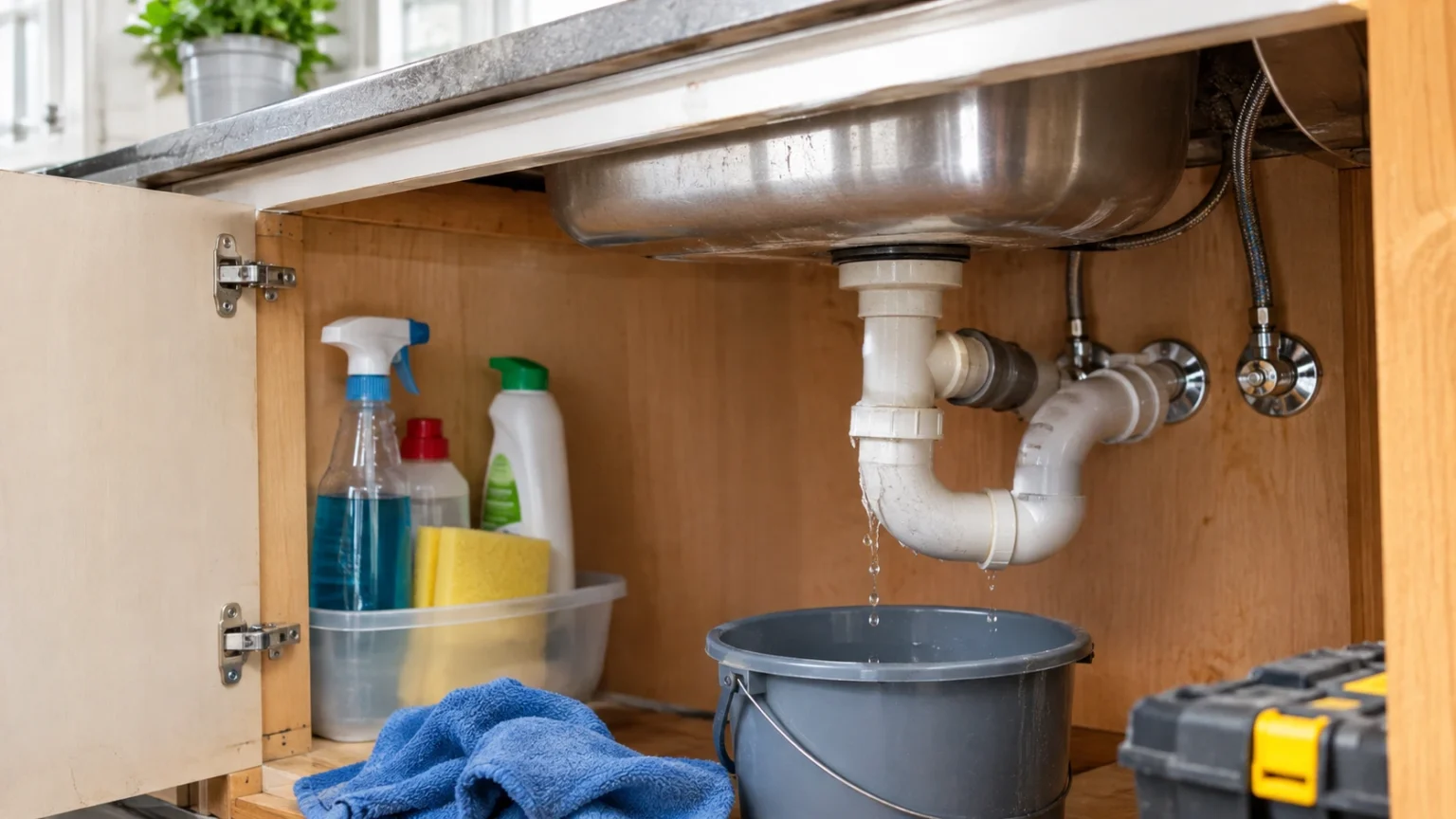
Small problems can become expensive when homeowners ignore them. For example, a loose pipe connection may cause a slow leak under a kitchen sink. If the leak continues, it can damage cabinets, flooring, and nearby walls.
The main benefits of regular plumbing maintenance include:
- Lower repair costs: Finding problems early often prevents larger repairs.
- Less water waste: Fixing leaks helps reduce unnecessary water use.
- Fewer emergencies: Routine checks can reveal faults before they become urgent.
- Longer fixture life: Proper care helps protect pipes, faucets, toilets, and water heaters.
- Better home protection: Early leak detection helps reduce the risk of water damage and mold.
Preventive Plumbing Maintenance also helps homeowners understand their system’s condition. You can plan needed repairs instead of facing unexpected plumbing bills.
7 Ways Regular Plumbing Maintenance Prevents Expensive Repairs
1. Finds Small Leaks Before They Cause Major Damage
Small leaks often develop around faucets, toilets, pipe joints, and water supply connections. Some leaks are easy to see, while others remain hidden behind walls or under floors. Check beneath sinks and around toilets for moisture. Look for water stains, peeling paint, rust, or damp cabinets. An unexplained increase in your water bill may also indicate a hidden leak.
For example, a loose connection beneath a kitchen sink may drip for several weeks. Finding and fixing it early can prevent damage to the cabinet and flooring.
2. Prevents Serious Drain and Sewer Blockages
Kitchen and bathroom drains collect waste during daily use. Hair, soap residue, grease, and food scraps can build up inside pipes. This buildup slows drainage and may cause stubborn blockages. Use drain strainers to catch hair and food particles. Avoid pouring cooking grease, oil, or coffee grounds into kitchen drains. Clean removable drain covers and remove visible debris.
Pay attention to recurring clogs, gurgling sounds, and unpleasant drain odors. These signs may point to a deeper blockage. A plumber can inspect the line and recommend the right cleaning method.
3. Helps Your Water Heater Last Longer
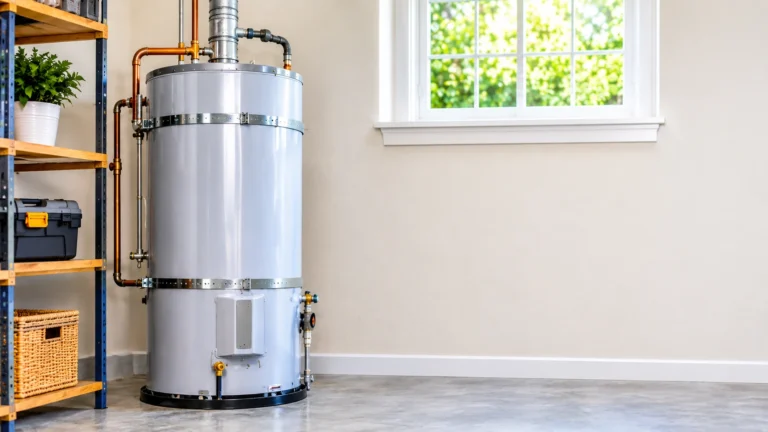
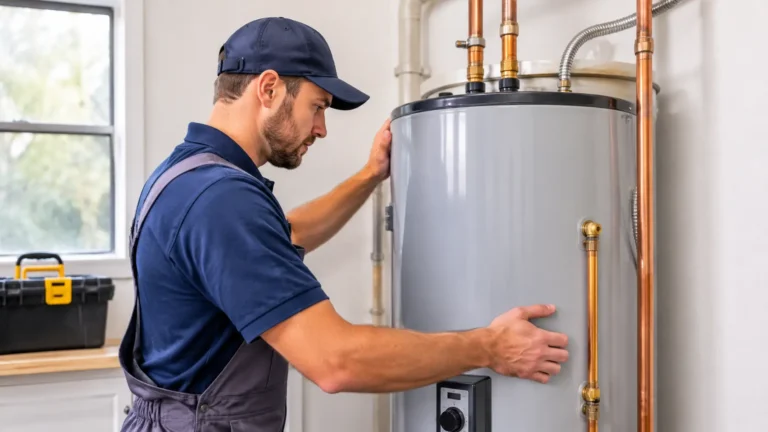
Water heaters need regular checks to work safely and efficiently. Tank models can collect sediment from minerals in the water. Heavy sediment buildup can reduce heating performance and cause unusual noises. Check the area around your water heater for leaks, rust, or moisture. Watch for changes in water temperature and slow hot water recovery.
Follow the manufacturer’s maintenance instructions for flushing and other care. A qualified plumber should inspect the heating parts, valves, and connections. Never attempt electrical or gas repairs without proper training.
4. Keeps Water Pressure Within a Safe Range
Water pressure that is too high can put stress on pipes, hoses, and fixture connections. Low pressure may point to a leak, clogged aerator, faulty valve, or supply issue. Check whether low pressure affects one faucet or the whole house. Clean faucet aerators when mineral deposits block water flow. If pressure changes across several fixtures, ask a plumber to investigate.
A pressure gauge can help measure household water pressure. Many homes use pressure around 40 to 60 PSI. Pressure above 80 PSI may need attention and a suitable pressure regulator.
5. Prevents Toilet and Faucet Problems
Running toilets and dripping faucets may seem like minor issues. However, they can waste a surprising amount of water over time. Inside a toilet tank, worn flappers and faulty fill valves can cause constant water flow. A plumber or homeowner can check these parts and replace damaged components when suitable.
Also inspect faucet handles, seals, and visible connections. Fixing a small drip early can help prevent water waste and stains around sinks.
6. Reduces the Risk of Pipe Damage
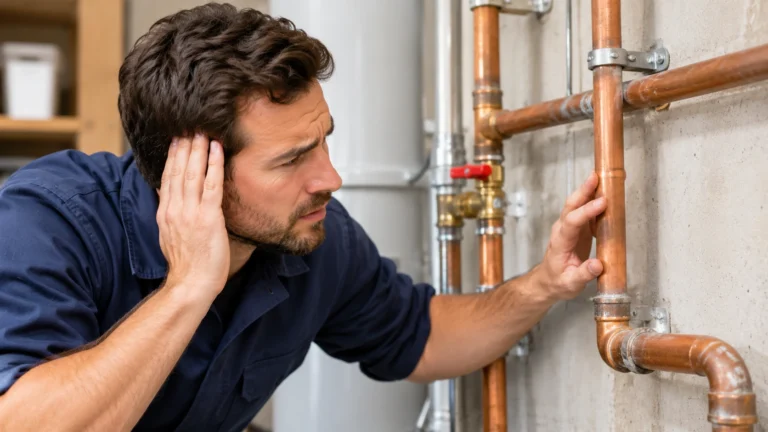
Pipes can weaken because of corrosion, age, high pressure, and poor connections. Damaged pipes may leak slowly or fail without much warning. Inspect exposed pipes in basements, garages, and beneath sinks. Look for rust, green deposits on copper pipes, cracks, and damp spots.
During cold weather, protect exposed pipes from freezing. Insulation can help reduce the risk of frozen pipes. If a pipe freezes, avoid using an open flame to thaw it. Contact a plumber if you cannot safely restore water flow.
7. Helps Prevent Sudden Plumbing Emergencies
A small plumbing fault can become an emergency when left untreated. A blocked drain may cause wastewater to back up. A damaged supply pipe can release water into walls or floors. Routine checks help identify warning signs before they cause major trouble.
Keep the main water shut-off valve accessible. Every adult in the household should know how to use it. Knowing where the valve is located can help limit water damage during a burst pipe or serious leak.
How Often Should You Schedule Professional Plumbing Maintenance?
Most homes benefit from a professional plumbing inspection about once a year. However, the right schedule depends on your plumbing system, water quality, and property age.
Older homes may need more frequent checks because pipes and connections can wear down. Homes with recurring clogs, hard water, or past leaks may also need closer attention.
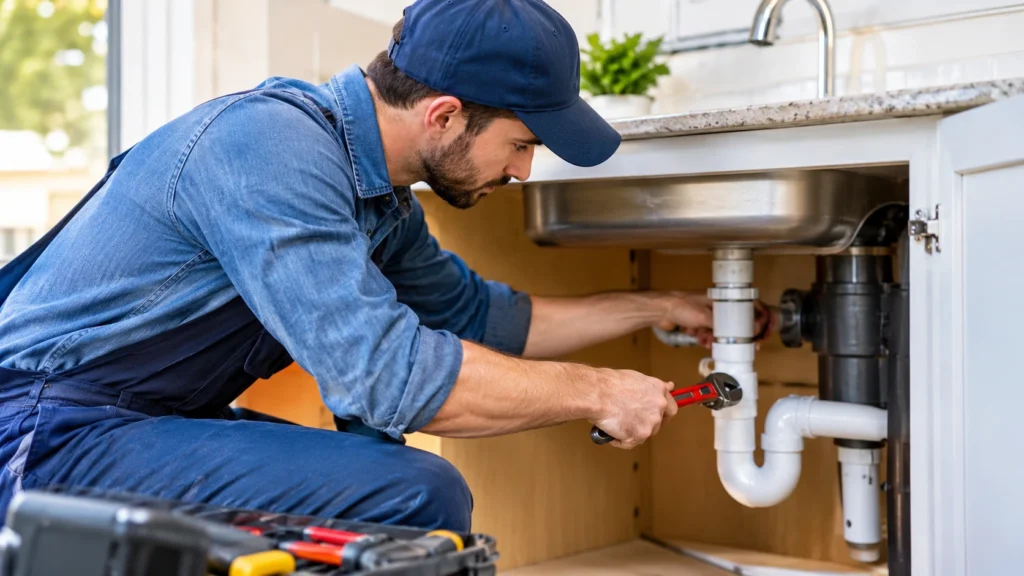
During a professional inspection, a plumber may:
- Check visible pipes and connections for leaks.
- Inspect faucets, toilets, and shut-off valves.
- Review water pressure and signs of pipe damage.
- Check the water heater and its safety parts.
- Look for signs of drain or sewer line problems.
Ask for a clear report of any issues and the repairs they recommend. This helps you understand which problems need attention first.
When Should You Call a Professional Plumber?
Some plumbing issues need professional help rather than another home repair attempt. Contact a plumber when you notice:
- Repeated drain clogs or several slow drains.
- Sewage smells or wastewater backing up.
- Water stains, damp walls, or unexplained moisture.
- Sudden changes in household water pressure.
- Water heater leaks, rust, or unusual noises.
- Burst pipes or water flowing from damaged connections.
If a serious leak occurs, shut off the main water supply when safe. Keep away from wet electrical equipment and seek urgent help when needed.
For homeowners seeking Plumbing Services In San Diego, choosing a qualified plumbing professional can help address leaks, drain issues, and other system concerns. All About Drains And Plumbing encourages homeowners to arrange suitable inspections and repair problems before they grow.
Conclusion
Regular plumbing care helps protect your home from water damage and unexpected repair costs. Checking pipes, cleaning drains, watching water pressure, and inspecting fixtures can prevent many common plumbing problems.
Knowing How Regular Plumbing Maintenance Can Prevent Expensive Repairs makes it easier to spot early warning signs. Do not wait for a small leak or blockage to become a major problem. Follow a simple maintenance routine and schedule professional inspections when needed.
All About Drains And Plumbing is here to help homeowners care for their plumbing systems. Contact us today to discuss your plumbing concerns and arrange professional help.
FAQs
How often should home plumbing be inspected?
Most homes should receive a professional plumbing inspection once a year. Older systems or homes with recurring problems may need more frequent checks.
What are the most common plumbing problems?
Common plumbing problems include leaking pipes, clogged drains, running toilets, dripping faucets, low water pressure, and water heater issues.
Can regular plumbing maintenance save money?
Yes. Regular maintenance helps find small leaks, worn parts, and early blockages. Fixing these issues early can reduce water waste and prevent costly damage.
What plumbing maintenance can homeowners do themselves?
Homeowners can check visible pipes for leaks, clean drain strainers, inspect toilets, and monitor water bills. Electrical, gas, and complex pipe repairs should go to qualified professionals.