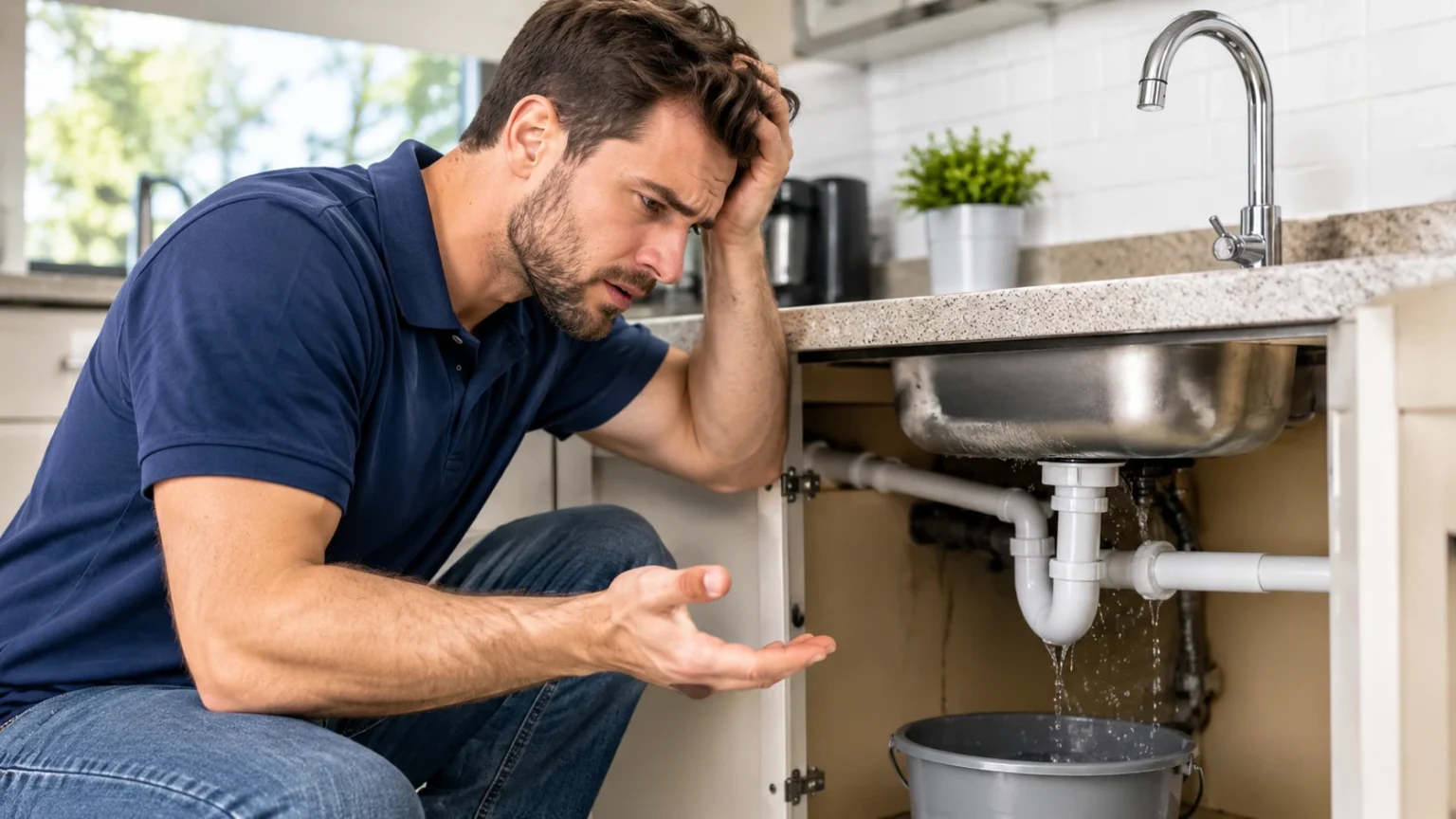
Plumbing problems can start small but cause serious damage when left untreated. A dripping pipe, slow drain, or running toilet may seem harmless at first. However, these issues can waste water, damage walls, and increase repair costs. Some problems also create health and safety risks for your family. Knowing the warning signs helps you act before a minor repair becomes an expensive emergency.
So, What Plumbing Issues Should Never Be Ignored? Burst pipes, hidden leaks, sewer backups, water heater leaks, and sudden pressure changes need attention. Recognizing these problems early helps protect your home and prevent costly repairs.
Why Should You Never Ignore Plumbing Problems?
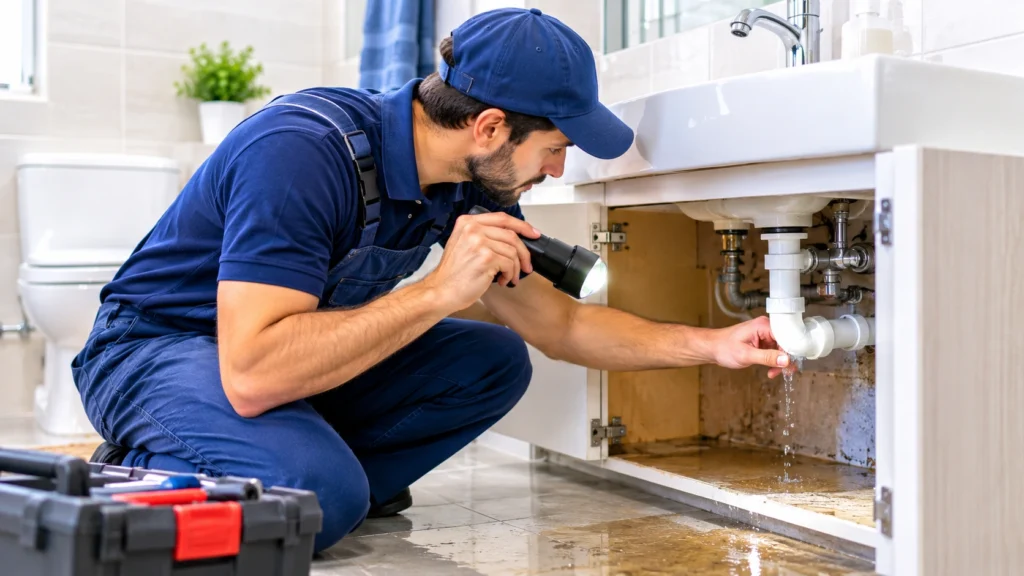
Your plumbing system carries clean water into your home and removes wastewater safely. When something goes wrong, it can affect several parts of your property.
Even a small leak can damage cabinets, floors, and walls over time. Moist areas also create conditions where mold can grow. A blocked sewer line may cause dirty water to enter sinks, showers, or toilets.
Ignoring plumbing problems can also increase your water bill. A running toilet or leaking pipe may waste water every day. Early repairs help control these costs and protect your home’s structure.
What Plumbing Issues Should Never Be Ignored?
Some common plumbing problems in homes need quick attention. Others require emergency help because they can cause immediate damage.
1. Leaking Pipes and Hidden Water Leaks
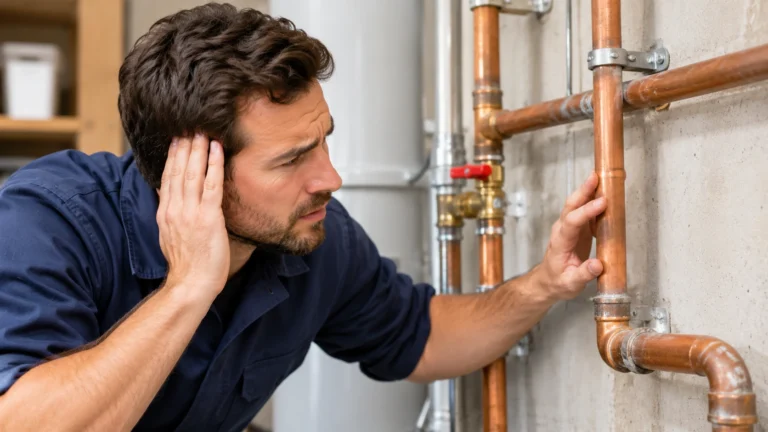
A leaking pipe can damage walls, ceilings, floors, and cabinets. Hidden leaks are harder to notice because they may occur behind walls or under floors. Look for damp spots, peeling paint, water stains, and musty smells. An unexplained increase in your water bill can also point to a leak.
Turn off the affected water supply if possible. Contact a plumber if you cannot locate or safely repair the leak.
2. Burst or Frozen Pipes
Burst pipes can release large amounts of water in a short time. This can flood rooms and damage furniture, flooring, and electrical equipment.
Pipes may burst because of freezing temperatures, corrosion, or high water pressure. If a pipe bursts, shut off your home’s main water valve immediately. Stay away from wet electrical areas and call a plumber.
3. Sewer Line Backups
A sewer backup is one of the most serious plumbing problems. It can push dirty wastewater into toilets, showers, floor drains, and sinks.
Common warning signs include several slow drains, gurgling toilets, and strong sewage smells. Tree roots, grease, and damaged pipes can block the main sewer line.
Stop using affected fixtures and keep children and pets away from wastewater. A plumber may use a camera inspection to find the blockage.
4. Frequently Clogged or Slow Drains
A slow kitchen or bathroom drain may seem like a minor issue. However, repeated clogs can point to deeper buildup or a damaged pipe. Hair, grease, soap, food scraps, and foreign objects often cause blockages.
If several drains become slow at once, the main drain line may be affected. Do not keep using strong chemical cleaners to solve recurring clogs. A plumber can find the cause and choose a safe cleaning method.
5. Water Heater Leaks and Unusual Noises
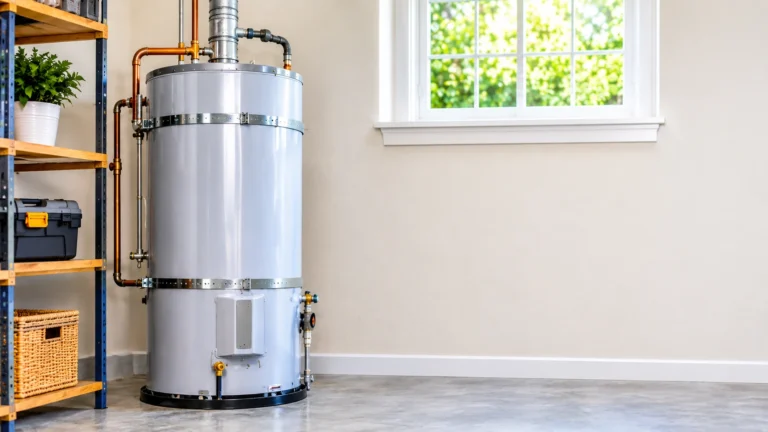
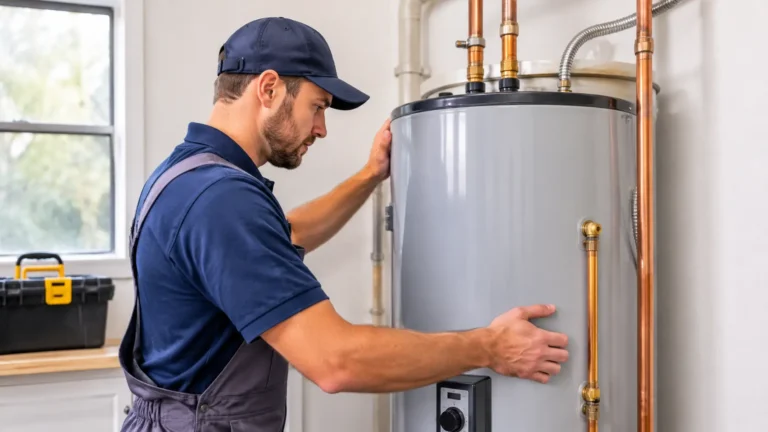
Your water heater needs attention when it leaks, makes unusual sounds, or stops providing hot water. Water around the tank may indicate a loose connection, faulty valve, or damaged tank. Popping and rumbling sounds can come from mineral sediment inside the tank.
A leaking tank may need replacement rather than a simple repair. If you notice a leak, follow the manufacturer’s safety instructions. Turn off the water and power or fuel supply only if it is safe. Contact a qualified plumber for an inspection.
6. Sudden Changes in Water Pressure
A sudden drop in water pressure can indicate a leak, blocked pipe, faulty valve, or water supply problem. High pressure can also damage pipes, faucets, and appliances. Many homes have normal water pressure around 40 to 60 PSI. Pressure above 80 PSI may require attention.
If the pressure changes across several fixtures, have the system checked. A plumber can test the pressure and inspect the regulator and pipes.
7. Running or Overflowing Toilets
A running toilet can waste a surprising amount of water. Common causes include a worn flapper, faulty fill valve, or incorrect float setting.
An overflowing toilet needs immediate attention. Turn off its water supply using the shut-off valve near the base. Avoid flushing again until the blockage is cleared.
8. Discolored Water and Persistent Bad Smells
Brown, yellow, or rusty water may come from pipe corrosion, disturbed sediment, or a water supply issue. Do not assume the water is safe to drink. Bad smells near drains may come from trapped waste, dry traps, or sewer gas. If the odor is strong or persistent, arrange a plumbing inspection.
What Are the Warning Signs of a Serious Plumbing Problem?
Knowing the signs of serious plumbing problems helps you act before damage spreads. Watch for these changes around your home:
- Water stains on ceilings, walls, or floors.
- Sudden increases in monthly water bills.
- Several drains become slow at the same time.
- Gurgling sounds from toilets and sinks.
- Sewage smells near drains or outside your home.
- Water pressure changes without a clear reason.
- Damp areas, peeling paint, or mold growth.
- Water collects around pipes or appliances.
One sign may have several possible causes. A professional inspection can help identify the real problem.
Which Plumbing Problems Require Immediate Attention?
Some plumbing problems need immediate action because they can threaten your property or safety. These include burst pipes, uncontrolled leaks, sewage backups, and water near electrical equipment. Gas smells near a gas water heater also require urgent attention.
If you suspect a gas leak, leave the area. Avoid switches, flames, and electrical devices. Contact your gas emergency service from a safe location. For a major water leak, shut off the main water supply if you can reach it safely. Keep away from flooded electrical areas and arrange professional help.
What Happens If You Ignore Plumbing Problems?
Ignoring plumbing issues can lead to more damage and higher repair costs. A small leak may spread into nearby building materials. Long-term moisture can cause mold and damage wood, drywall, and flooring.
Blocked drains can cause wastewater to overflow. Sewer backups also create serious sanitation concerns. A faulty water heater may leak and damage nearby rooms. Early repairs often cost less than fixing the damage caused by a neglected problem. Acting quickly also helps protect your home and belongings.
Can You Fix Minor Plumbing Problems Yourself?
Some small plumbing problems are safe to handle without professional help. You can use a plunger for a simple sink or toilet clog. You can also clean a faucet aerator or tighten an accessible loose connection.
However, avoid repairs involving electrical parts, gas lines, major leaks, or sewer pipes. Do not open a pressurized water heater or use tools you do not understand. If a repair does not solve the problem, stop and contact a qualified plumber. A quick inspection can prevent further damage.
How Can You Prevent Serious Plumbing Problems?
Regular care helps reduce the risk of major plumbing repairs. Follow these simple steps:
- Check visible pipes and connections for leaks.
- Clean drain strainers and remove trapped debris.
- Never pour cooking grease down the kitchen sink.
- Avoid flushing wipes, paper towels, or sanitary products.
- Check your water heater for leaks and unusual sounds.
- Keep an eye on water pressure and monthly bills.
- Know where your main water shut-off valve is located.
- Arrange regular plumbing inspections, especially in older homes.
These habits help you spot changes early and keep your plumbing system in better condition.
When Should You Call a Professional Plumber?
Call a professional when a plumbing problem keeps returning, causes water damage, or affects several fixtures. You should also seek help for hidden leaks, sewer backups, burst pipes, and water heater problems.
Knowing When to call an emergency plumber can protect your home from serious damage. Do not wait for a scheduled visit if wastewater is backing up or a pipe is flooding your property.
If you need expert help, All About Drains And Plumbing can assist with your plumbing needs. Homeowners searching for Plumbing Services In San Diego should choose a qualified plumber who explains the issue, repair options, and expected costs before starting the work.
Conclusion
Plumbing problems rarely fix themselves. Hidden leaks, burst pipes, sewer backups, and water heater issues can cause serious damage when ignored. Even a slow drain or running toilet deserves attention when the problem keeps returning.
Knowing What Plumbing Issues Should Never Be Ignored? helps you recognize warning signs and take the right steps. Regular checks and timely repairs can protect your home and reduce unexpected costs.
If you notice a serious plumbing issue, do not wait for it to get worse. Contact us today to discuss your plumbing needs with All About Drains And Plumbing.
FAQs
What are the most serious plumbing problems?
Burst pipes, sewer backups, hidden leaks, major water heater leaks, and uncontrolled water leaks are among the most serious plumbing problems. They can cause property damage and sanitation risks.
What plumbing problems need immediate attention?
Burst pipes, sewage backups, flooding, major leaks, and water near electrical equipment need immediate attention. Turn off the water supply if safe and contact a professional.
How do I know if I have a hidden water leak?
Look for damp walls, ceiling stains, peeling paint, musty smells, and unexplained increases in water bills. A plumber can use leak detection tools to locate hidden leaks.
Can a small plumbing leak cause serious damage?
Yes. A small leak can damage walls, floors, cabinets, and other building materials over time. It can also create conditions for mold growth.
When should I call an emergency plumber?
Call an emergency plumber for burst pipes, uncontrolled leaks, sewage backups, flooding, or other problems that threaten your home or safety.
How often should home plumbing be inspected?
Many homeowners benefit from a professional plumbing inspection once a year. Older homes or properties with recurring problems may need more frequent checks.