
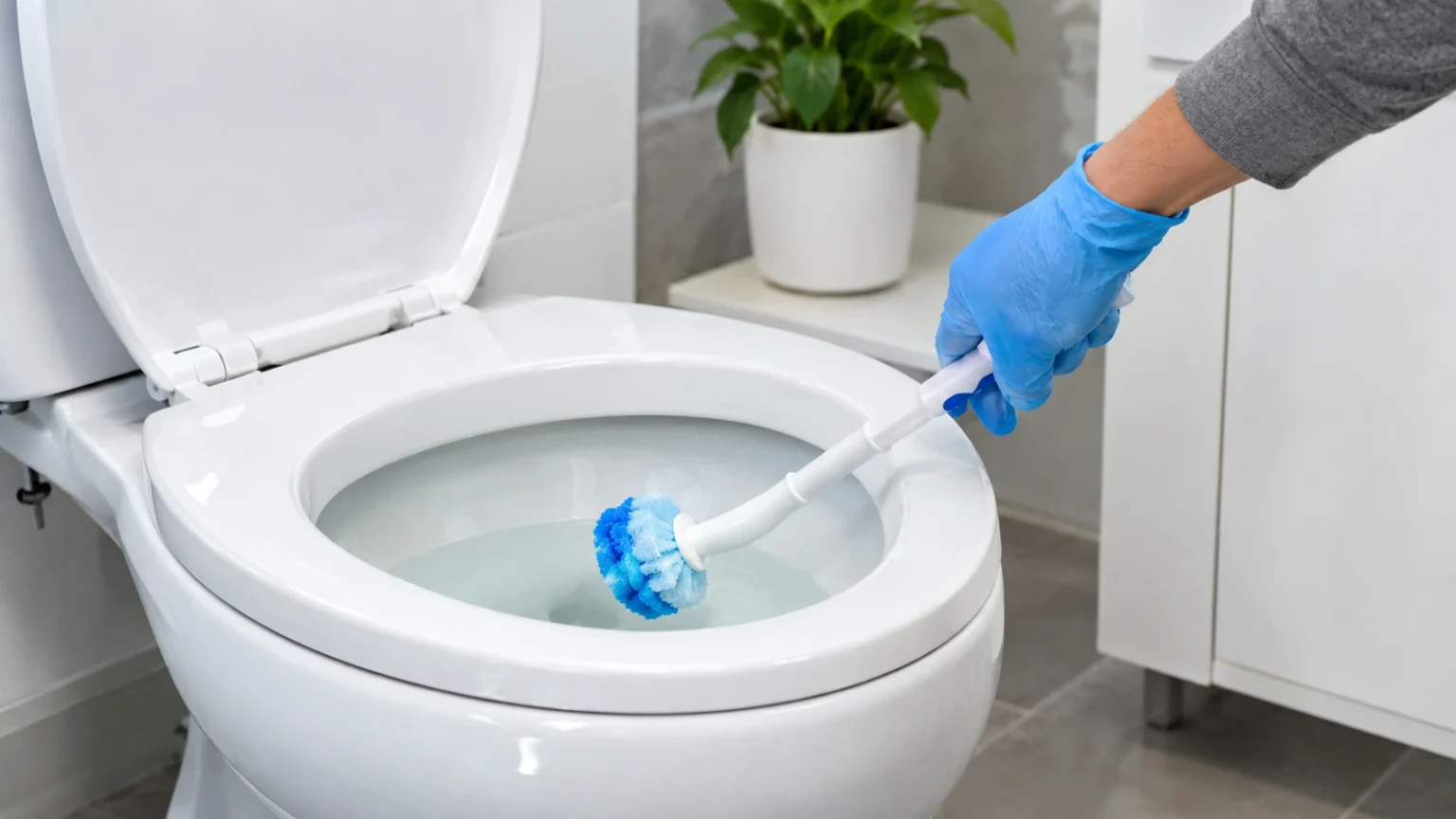
Accidentally flushing a Clorox ToiletWand cleaning head can cause a stubborn toilet blockage. These sponge-like heads are not designed to break down like toilet paper. They can get caught in the toilet trap or travel into the drainpipe and cause problems later.
If this happens, stop flushing and check the water level. If the head is visible, try to retrieve it with gloves. If it has disappeared, avoid forcing it deeper with repeated flushes. Knowing What To Do If You Accidentally Flush a Clorox Toilet Wand can help you prevent an overflow and decide when a plumber is needed.
What Happens If You Accidentally Flush a Clorox Toilet Wand?
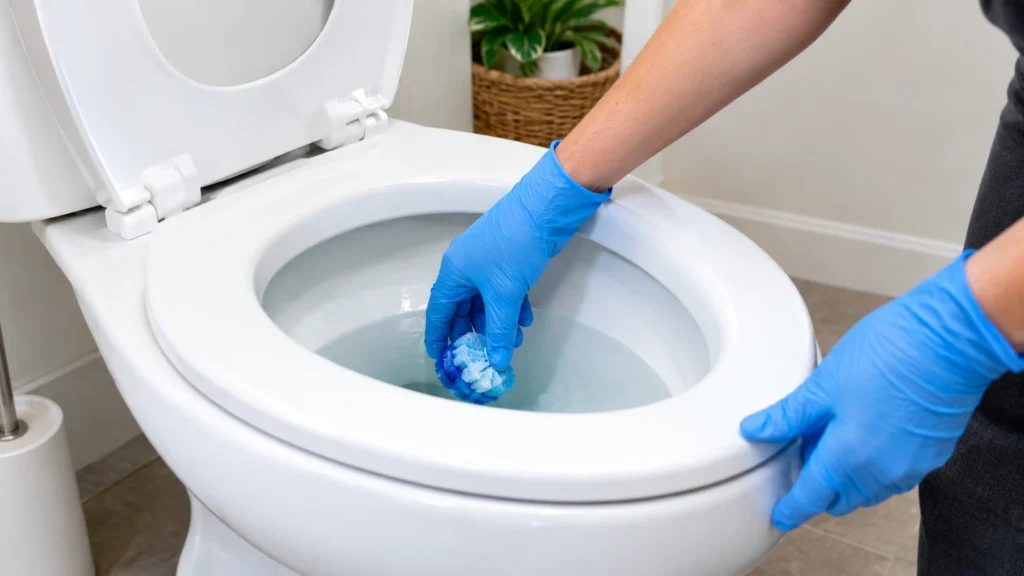
Clorox ToiletWand cleaning heads are disposable scrubbers, not flushable waste. Clorox says to put used heads in the trash, not the toilet. A flushed head may remain in the toilet’s curved trap. It can also move into the drainpipe and catch other waste. The result may be a slow drain, a complete clog, or a backup.
The head may not cause trouble right away. However, water flowing normally once does not prove that the object has passed safely through your plumbing.
What to Do Immediately After Flushing a Clorox Toilet Wand
Take these steps before attempting to clear the toilet:
- Stop flushing. Another flush may push the head deeper or cause water to overflow.
- Check the water level. If the bowl is filling, do not flush again. Turn off the toilet’s water supply valve near the wall if needed.
- Look for the cleaning head. If you can see it near the opening, put on rubber gloves and remove it carefully.
- Keep other drains clear. Avoid adding waste to a toilet that may already be blocked.
- Avoid chemical drain cleaners. They may not dissolve the scrubber and can create a splash or chemical hazard during later repairs.
If water is already overflowing, keep people away from the affected area and clean contaminated surfaces safely.
How to Remove a Clorox Toilet Wand From a Toilet
The best removal method depends on where the head is stuck.
Retrieve It if You Can See It
Wear gloves and gently lift the head out if it is within easy reach. Do not push it farther into the opening. Avoid using sharp tools that could scratch the porcelain or damage the toilet.
Use a Toilet Auger Carefully
If the head is not visible, a toilet auger may help reach an obstruction inside the toilet trap. Use a tool designed for toilets and follow its instructions. Stop if you meet firm resistance or cannot retrieve the object.
A plunger may move the head farther into the drain instead of removing it. Since the object is solid, repeated plunging is not a reliable fix.
Call a Plumber if It Remains Stuck
If you cannot remove the head safely, a plumber can inspect the toilet and choose the right tool. In some cases, removing the toilet may be necessary to reach an object lodged in its trap.
Signs That the Flushed Toilet Wand Is Causing a Blockage
Watch for these warning signs after a flushed Clorox ToiletWand incident:
- Slow draining: Water takes longer than usual to leave the bowl.
- Rising water: The water level climbs when you flush.
- Repeated clogs: The toilet blocks again soon after being cleared.
- Gurgling sounds: Air moves through the drain as water struggles to pass.
- Water backing up: Wastewater returns to the toilet or another nearby drain.
If the bowl fills or wastewater backs up, stop using the toilet and contact a plumber. If several drains are affected, the problem may extend beyond the toilet.
Can a Clorox Toilet Wand Damage Your Plumbing?
The cleaning head itself is unlikely to damage sound pipes just by entering them. The main risk is a blockage that prevents waste and water from flowing freely.
A head trapped in the toilet can catch toilet paper and other waste. If it travels farther, it may lodge at a bend or join other debris inside the drain line. Forcing it with unsuitable tools can also damage the toilet or plumbing.
A toilet wand stuck in drain lines should not be left unresolved when symptoms appear. Removing the object early can help prevent a larger backup and additional repair work.
How Much Does It Cost to Remove a Flushed Clorox Toilet Wand?
The cost depends on the object’s location, the tools needed, and local labor rates. A simple removal may cost less than a job that requires taking the toilet off or inspecting the drain with a camera. Ask the plumber whether the quote includes the service call, labor, equipment, and any toilet removal or reset. If the first method fails, confirm the cost of further work before approving it.
Do not assume that every Clorox toilet wand clog needs major repairs. A plumber can assess the blockage and explain the least disruptive safe option.
Should You Call a Plumber After Flushing a Clorox Toilet Wand?
Call a plumber if the head has disappeared and the toilet drains slowly, the bowl fills too high, or repeated blockages occur. Get professional help right away if wastewater backs up or several fixtures stop draining.
If the toilet seems normal but you know the head went down, avoid repeated test flushes. Contact a plumber for advice if you cannot confirm that the object was retrieved.
Homeowners looking for local help can contact All About Drains And Plumbing about drain issues. If you need a local service page for Plumber Carlsbad, CA, use that internal link here, provided the page matches the service and location.
How to Prevent Accidentally Flushing a Clorox Toilet Wand
Prevention is simple. After cleaning, release the scrubber head into a closed trash bin, as Clorox instructs. Never flush the head, even if it looks small or soft.
Keep unused heads and the wand handle away from the toilet bowl. Store cleaning supplies where children and pets cannot reach them. Make sure everyone in the household knows that only human waste and toilet paper should go down the toilet.
Conclusion
Knowing What To Do If You Accidentally Flush a Clorox Toilet Wand starts with one key step: stop flushing. Retrieve the head only if it is safely within reach, and avoid tools or chemicals that could make the problem worse.
If the head is missing or signs of a clog appear, contact us today for professional plumbing help before the blockage leads to an overflow.
FAQs
Will a Clorox Toilet Wand dissolve in water?
No. The cleaning head is not designed to break down in the toilet. Clorox says to dispose of it in the trash.
Can I flush again to push the wand through?
No. Another flush may move the head deeper into the pipe or cause an overflow. Check the bowl and stop using the toilet if drainage is poor.
Can a flushed toilet wand clog the main sewer line?
It can contribute to a blockage if it travels into the drain system and gets caught. However, not every flushed head reaches the main sewer line.
Can I use a plunger to remove a toilet wand?
A plunger may push the head farther into the drain. If the object is not visible, a toilet auger used correctly or professional removal is a better option.
When should I call a plumber?
Call if the toilet drains slowly, water rises, the blockage returns, or wastewater backs up. Stop flushing while you wait for help.